For decades, curd was the undisputed champion of gut health India conversations — the go-to probiotic, the humble hero on every thali. But 2026 has rewritten the playbook. Across wellness communities, functional food brands, and social media feeds, fermented Indian foods are surging back into the spotlight with a force that no nutritionist or marketer can afford to ignore. From tangy Kanji served at upscale café counters to mass-market prebiotic snacks inspired by traditional fermentation rituals, India’s ancestral food wisdom is now being framed through the lens of modern gut science. The probiotics conversation has grown up — and it is wearing a dhoti.
The Gut Health Revolution Has an Indian Accent
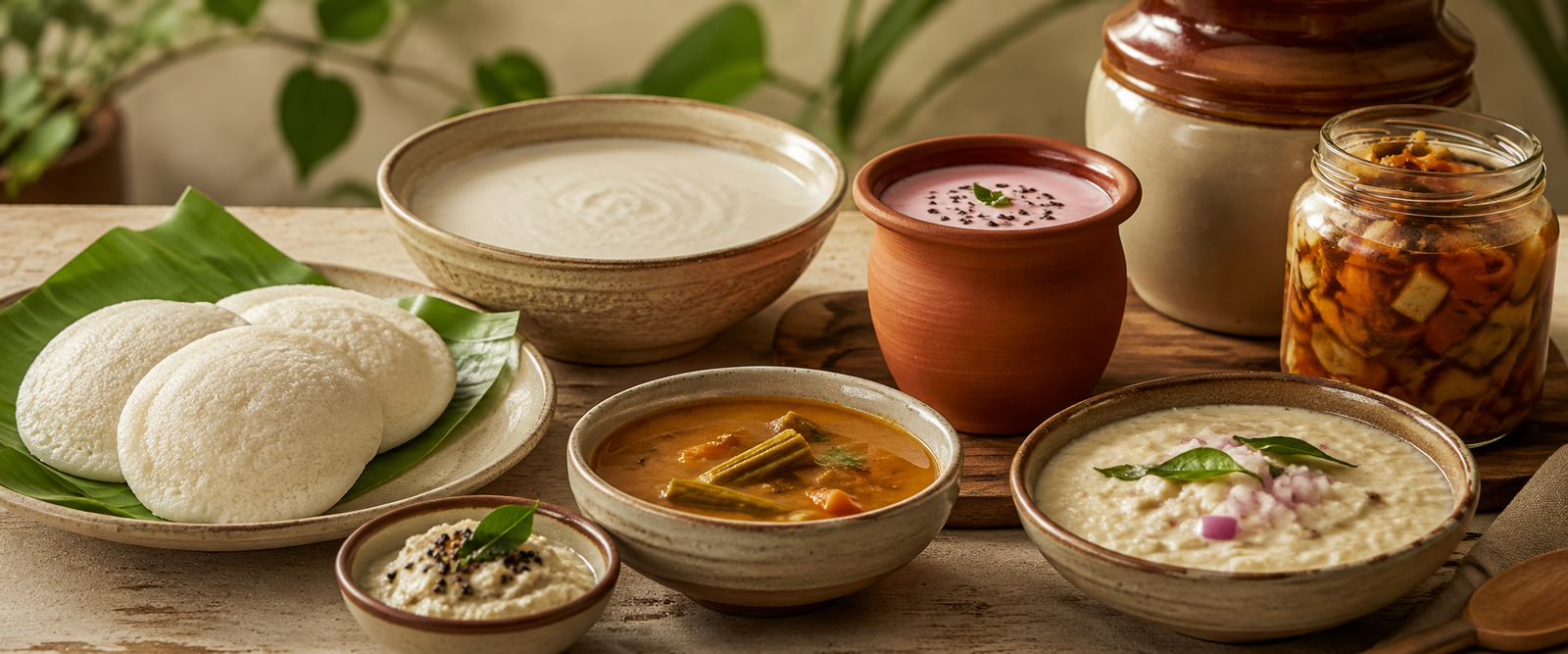
The global gut health market is projected to exceed $70 billion by 2026, and India is no longer a passive participant — it is becoming a source of intellectual and culinary authority. International wellness brands have spent years bottling Scandinavian ferments and Korean kimchi, but consumers are now pivoting toward fermented Indian foods that carry both cultural familiarity and clinical credibility. Foods like Idli, Dosa, Kanji, Ambali, and Koozh are rich in Lactobacillus strains, naturally occurring probiotics that support digestive balance, immune function, and even mental clarity through the gut-brain axis. For gut health India advocates, this is not a trend — it is a homecoming. The prebiotic snacks segment, in particular, has exploded, with Indian startups creating chips, crackers, and drinks infused with fermented grain bases that mirror these traditional preparations. Brands entering this space are leveraging the dual power of nostalgia and nutritional science, a combination that resonates deeply with both millennial and Gen Z consumers.
Kanji, Idli, and the Science of Fermented Indian Foods
Not all probiotics are created equal, and this is where fermented Indian foods hold a distinct scientific edge. Kanji — the deep purple, pungent drink made from black carrots and mustard seeds — is one of the most biodiverse probiotic beverages studied in recent years. It contains multiple strains of beneficial bacteria and antioxidant compounds, making it a genuine functional food rather than a fashionable supplement. Idli fermentation benefits are equally compelling: the wet-grinding and overnight fermentation of rice and urad dal produces a batter teeming with Leuconostoc mesenteroides and Lactobacillus plantarum, two strains that enhance nutrient bioavailability, reduce antinutrients like phytic acid, and support a balanced gut microbiome. For marketers and brand strategists, these specifics matter enormously. In the age of AI-driven search and answer engines, consumers are asking precise questions — and brands that can answer them with scientific accuracy while tying back to gut health India narratives will dominate organic visibility. Prebiotic snacks that cite verified fermentation processes, for example, consistently outperform vague ‘natural’ claims in both engagement and conversion.
Why Brands and Marketers Should Pay Attention Right Now
The business opportunity embedded in fermented Indian foods is as significant as the nutritional one. Consumer search behavior around probiotics, gut health India, and prebiotic snacks has grown by triple digits on platforms like YouTube, Instagram, and Google in the past 18 months. Influencer content featuring Kanji recipes or Idli fermentation benefits regularly generates higher save rates than conventional recipe content — a signal that audiences are not just consuming this information passively but archiving it for action. For digital marketers, this creates a powerful content ecosystem: educational videos, long-form SEO blogs, short-form reels, and even podcast segments can be built around the fermented Indian foods narrative without the content ever feeling repetitive. The key is connecting the cultural story to the metabolic science. Brands that position fermented Indian foods not just as heritage items but as precision nutrition tools aligned with gut health India goals are building defensible authority in a crowded wellness market. Prebiotic snacks marketed with transparent fermentation credentials and traditional recipe lineage, for instance, are outperforming category averages in customer retention metrics.
Final Thoughts
India has always fermented its way to wellness — it simply did not brand it that way. In 2026, that is changing rapidly. The convergence of gut health India awareness, global probiotics research, and renewed pride in fermented Indian foods has created a category that is both culturally resonant and commercially explosive. Whether you are a food brand, a wellness startup, or a digital marketing agency trying to build content authority for clients in the health space, understanding the depth and diversity of these traditions is now a strategic imperative. Kanji is not just a winter drink. Idli fermentation benefits are not just a nutrition footnote. And prebiotic snacks rooted in Indian grain fermentation are not a niche — they are the next mainstream. The brands that recognize this early, tell the story well, and back it with credible science will own the conversation for years to come.
Frequently Asked Questions
What are the best fermented Indian foods for gut health?
The best fermented Indian foods for gut health include Idli, Dosa, Kanji, Ambali, Koozh, and Lassi, all of which contain live cultures of beneficial bacteria like Lactobacillus and Leuconostoc strains. These foods support digestive balance, improve nutrient absorption, and contribute to a diverse gut microbiome. Regular consumption as part of a varied diet is the most effective approach.
What are the proven Idli fermentation benefits?
Idli fermentation benefits include significantly improved bioavailability of proteins, B vitamins, and minerals, as well as a reduction in antinutrients like phytic acid that block absorption. The fermentation process produces probiotic strains such as Lactobacillus plantarum and Leuconostoc mesenteroides, which support gut lining integrity and immune response. Fermented Idli batter also has a lower glycemic impact compared to unfermented rice preparations.
What is Kanji and why is it considered a probiotic drink?
Kanji is a traditional North Indian fermented beverage made from black carrots, water, and mustard seeds, left to ferment at room temperature for two to three days. It is considered a probiotic drink because the fermentation process produces diverse beneficial bacterial strains along with antioxidants from the black carrot pigment anthocyanin. It is one of the most microbiologically complex traditional Indian ferments studied to date.
Are prebiotic snacks the same as probiotic foods?
Prebiotic snacks and probiotic foods serve different but complementary roles in gut health. Probiotics introduce live beneficial bacteria into the gut, while prebiotics are dietary fibers that feed and sustain existing beneficial bacteria already present in the microbiome. Many fermented Indian foods function as both, providing live cultures along with fibrous substrates that support bacterial growth.
Why is gut health becoming a major focus in India in 2026?
Gut health India awareness has accelerated due to rising rates of lifestyle-related digestive disorders, growing consumer access to microbiome research, and increased media coverage of the gut-brain axis and its links to mental health. Social media and vernacular content creators have made this science accessible to broader audiences, driving demand for both traditional fermented foods and modern functional products. The result is a rapidly expanding market for products that blend ancestral Indian food wisdom with evidence-based nutrition.
How can food brands market fermented Indian foods effectively in 2026?
Food brands can market fermented Indian foods effectively by leading with scientific credibility — citing specific probiotic strains, fermentation durations, and clinical outcomes — while anchoring the story in cultural authenticity and recognizable traditional recipes. Content strategies should address high-intent search queries around gut health India, probiotics, and prebiotic snacks across SEO blogs, short-form video, and AI-optimized FAQ formats. Transparency about the fermentation process and ingredient sourcing consistently outperforms vague wellness claims in both trust metrics and conversion rates.