For decades, the global conversation about Indian food has been trapped in a binary — North versus South, butter chicken versus dosa, tandoor versus coconut curry. But that narrative is rapidly becoming obsolete. A new wave of hyper-local Indian food is breaking through to international audiences, driven by curious travelers, adventurous food media, and a diaspora hungry for authentic regional flavors that go far beyond the familiar. Cuisines like Naga from the Northeast, Malvani from the Konkan coast, and Munda from the tribal heartlands of Jharkhand and Odisha are no longer culinary secrets. They are becoming the next frontier of culinary tourism in India — and a massive opportunity for marketers, restaurateurs, and content creators who know how to tell their story.
Why Hyper-Local Indian Food Is Having Its Global Moment
The rise of hyper-local Indian food on the world stage is not accidental — it is the result of converging forces in travel, media, and consumer behavior. Platforms like Instagram, YouTube, and short-form video have given tribal cuisines and regional Indian recipes unprecedented visibility, allowing chefs and home cooks from Nagaland or the Konkan coast to build international audiences without a Michelin star or a Manhattan address. Culinary tourism in India has also matured significantly; travelers are no longer satisfied with a heritage hotel thali. They want to eat smoked pork with bamboo shoots in a Naga village, or taste the fiery sol kadi of a Malvani fish market. This shift toward experiential dining has created a commercial ecosystem where authentic regional flavors are not just culturally valuable — they are economically powerful. For brands and agencies, the storytelling potential here is extraordinary, and the competition for this niche is still surprisingly thin.
Naga Cuisine: The Smoky, Fermented Frontier of Regional Indian Recipes
Naga cuisine is perhaps the most misunderstood and underrepresented of India’s regional Indian recipes on the global stage — and that gap represents a golden opportunity. Rooted in the traditions of the Angami, Ao, and Lotha tribes among others, Naga food is defined by smoked meats, fermented soybeans known as akhuni, and the legendary Bhut Jolokia — the ghost pepper that once held the title of world’s hottest chili. These are not gimmick ingredients; they are the backbone of a sophisticated culinary tradition built around preservation, foraging, and communal eating. Hyper-local Indian food enthusiasts have made Naga cuisine a cult favorite in urban India, with Nagaland’s Kitchen in Delhi and Dzükou Tribal Kitchen in Bengaluru drawing long queues. For culinary tourism in India, the Hornbill Festival in Nagaland now includes dedicated food experiences that are attracting international visitors, food journalists, and documentary filmmakers. The authentic regional flavors of the Northeast are no longer a niche — they are a narrative waiting for the right platform.
Malvani and Munda Cuisines: Coastal Fire and Tribal Earth
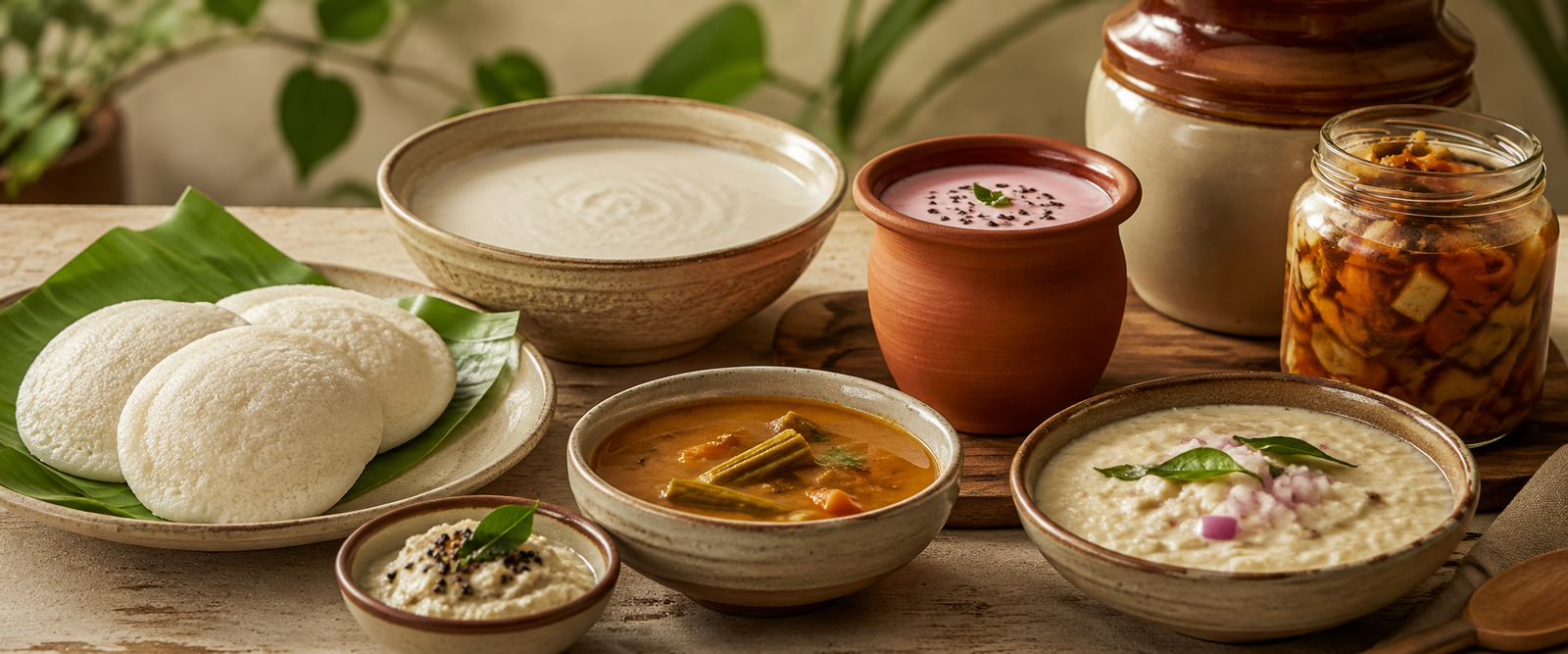
While Naga food commands attention through heat and smoke, Malvani cuisine seduces through the layered complexity of its coconut-based gravies, dried fish curries, and sol kadi — a pink kokum and coconut milk drink that doubles as a digestive and a cultural emblem. Malvani food is the hyper-local Indian food of the Konkan coast, straddling Maharashtra and Goa, and it has found its most vocal champions among Mumbai’s food community and in a handful of dedicated restaurants in the UK and the US. Its authentic regional flavors — bold, tangy, deeply aromatic — translate exceptionally well for culinary tourism in India and abroad, particularly when paired with beachside settings and heritage fishing village experiences. The Munda cuisine of Jharkhand and Odisha tells an entirely different story. This tribal cuisine is built on forest produce — mahua flowers, jackfruit, red ants chutney, and hand-pounded rice preparations — and it carries the cultural memory of one of India’s oldest indigenous communities. Regional Indian recipes from the Munda tradition are now being documented by food anthropologists and featured in sustainable food conversations globally, as the world increasingly values ingredients that are seasonal, local, and low-impact. For marketers working in food, wellness, or travel, the Munda story connects directly to the global appetite for indigenous wisdom and ethical consumption.
Final Thoughts
The global appetite for hyper-local Indian food is not a passing trend — it is a structural shift in how the world understands one of the planet’s most diverse culinary civilizations. Naga, Malvani, and Munda cuisines are not footnotes to the Indian food story; they are chapters that have been waiting for their turn. For businesses in the food, hospitality, travel, and media sectors, the window to own this narrative is still open. Culinary tourism in India is growing at a rate that rewards early movers who invest in authentic regional flavors and the communities that create them. Whether you are a restaurant group looking to differentiate, a travel brand building experiential itineraries, or a content agency seeking stories with genuine cultural depth, these tribal cuisines and regional Indian recipes offer something increasingly rare in a crowded market: authenticity that cannot be fabricated. At Maven Socials, we help brands find and tell exactly these kinds of stories — the ones that build audiences, drive conversions, and mean something.
Frequently Asked Questions
What is hyper-local Indian food and why is it trending globally?
Hyper-local Indian food refers to highly specific regional and tribal cuisines that are tied to distinct geographies, communities, and culinary traditions — such as Naga, Malvani, or Munda food — rather than broad regional categories like ‘North Indian’ or ‘South Indian.’ It is trending globally because food travelers, media platforms, and the Indian diaspora are increasingly seeking authentic regional flavors that go beyond mainstream Indian restaurant menus.
What makes Naga cuisine unique among regional Indian recipes?
Naga cuisine is distinctive for its use of smoked meats, fermented soybean paste called akhuni, and the Bhut Jolokia ghost pepper, which together create a flavor profile found nowhere else in Indian cooking. These regional Indian recipes are rooted in the traditions of Northeast Indian tribes and reflect techniques of preservation and foraging specific to the region’s ecology and culture.
How is culinary tourism in India driving interest in tribal cuisines?
Culinary tourism in India has evolved from hotel dining and street food tours to immersive experiences in tribal villages, coastal fishing communities, and festival settings like Nagaland’s Hornbill Festival. This experiential shift is drawing international food travelers, documentary filmmakers, and food journalists to discover tribal cuisines like Munda and Naga that were previously invisible on global food maps.
What are the key authentic regional flavors of Malvani cuisine?
Malvani cuisine is known for its rich coconut-based gravies, dried and fresh seafood curries, and the refreshing kokum-coconut drink called sol kadi, all of which represent the authentic regional flavors of the Konkan coast shared between Maharashtra and Goa. Its bold, tangy, and aromatic character makes it one of the most distinctive hyper-local Indian food traditions gaining traction in international restaurant scenes.
Why are Munda tribal recipes gaining attention in global food conversations?
Munda tribal recipes are gaining global attention because they are built around foraged, seasonal, and indigenous ingredients — including mahua flowers, jackfruit, and red ants chutney — that align closely with the worldwide movement toward sustainable and indigenous food systems. Food anthropologists and ethical food advocates are documenting these regional Indian recipes as living examples of biodiversity-positive cooking traditions.
How can food and travel brands market hyper-local Indian food effectively?
Food and travel brands can market hyper-local Indian food effectively by investing in authentic storytelling that centers the communities, histories, and ingredients behind tribal cuisines rather than simply exoticizing them. Combining culinary tourism in India content — such as village cooking experiences, chef interviews, and origin-story videos — with targeted social media and SEO strategies around authentic regional flavors can build both audience trust and commercial traction.