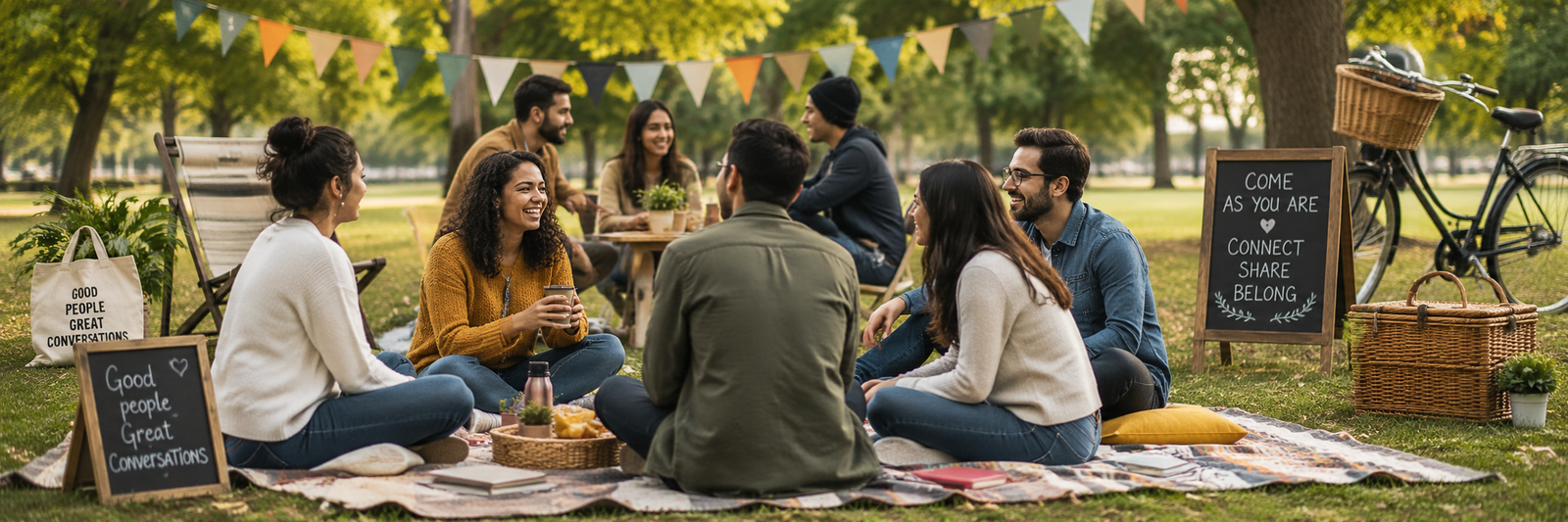
For years, social hosting came with pressure. People felt the need to organize elaborate dinner parties, expensive outings, or perfectly curated events. But today, many communities are moving toward something simpler — casual gatherings that focus more on connection than presentation.
Whether it’s a weekend park picnic, a short coffee meetup after a running club session, or a Bring-Your-Own-Book gathering at a local café, low-pressure social events are creating stronger and more authentic communities.
Why Low-Stakes Gatherings Are Becoming More Popular
The reason is simple: people are tired of overcomplicated social expectations. They want meaningful interaction without the stress of formal hosting. That’s why learning how to host a casual meetup is becoming an essential social skill for community builders, creators, entrepreneurs, and even neighborhood groups.
The beauty of low-stakes gatherings lies in accessibility. People feel more comfortable attending events that don’t require dressing up, long commitments, or financial pressure. Casual experiences naturally encourage genuine conversations and recurring participation.
What Makes a Gathering “Low-Stakes”?
A low-stakes gathering is intentionally simple. The goal is not to impress people but to make them feel included.
- Flexible timing
- Informal activities
- Minimal costs
- Easy participation
- Relaxed environments
- Small-to-medium group sizes
Examples include Sunday morning chai meetups, community walking groups, BYOB clubs, board game evenings, and café networking circles. These are some of the best local community event ideas because they remove social barriers and create repeatable experiences.
Start Small Instead of Planning Big
One of the biggest mistakes first-time hosts make is overplanning.
You do not need fancy decorations, expensive venues, or complicated schedules. Smaller gatherings often create better interactions.
Start with:
- 4 to 10 people
- A simple public location
- One light activity
- A short duration
The simpler the format, the easier it becomes for people to say yes.
If you’re exploring building a neighborhood club, consistency matters more than scale.
Choose Accessible Locations
Location plays a huge role in attendance.
The best casual meetup locations are easy to reach, budget-friendly, comfortable, and welcoming.
- Local parks
- Small cafés
- Community libraries
- Apartment terraces
- Public gardens
Keep Activities Optional
One reason casual gatherings succeed is because people can participate without pressure.
Create gentle conversation starters instead of forcing structured activities.
This is one of the most important low stress hosting tips — create opportunities for connection without making people perform socially.
Make Newcomers Feel Comfortable
Many people hesitate to attend community events because they fear awkwardness.
As a host, your job is not to entertain everyone. Your job is to reduce social friction.
- Greet people personally
- Introduce attendees with shared interests
- Avoid inside jokes
- Encourage smaller conversations
Create Repeatable Community Experiences
The strongest communities are built through recurring experiences, not one-time events.
Simple recurring ideas include:
- Friday chai circles
- Monthly breakfast clubs
- Community reading hours
- Weekend photography walks
- Creative journaling meetups
Consistency creates familiarity, and familiarity creates connection.
Use Digital Platforms to Organize Better
Digital tools like WhatsApp groups, Instagram broadcast channels, Telegram communities, and newsletters can simplify organization while keeping the community personal.
Focus on Belonging, Not Perfection
At the end of the day, people rarely remember perfect event setups. They remember how they felt.
Low-stakes gatherings work because they prioritize emotional comfort over performance.
You do not need to become a professional host to create meaningful community experiences. You simply need to create spaces where people feel safe showing up as themselves.