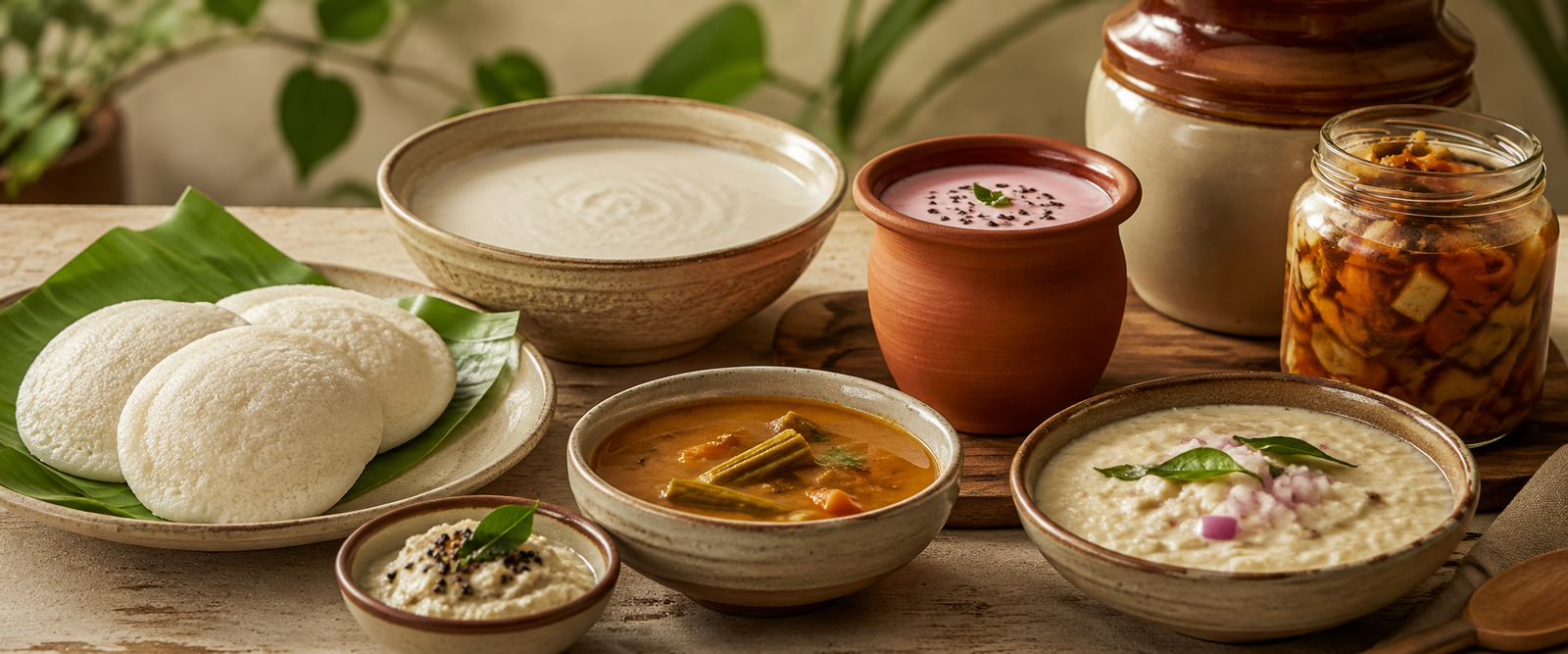
Fermented foods in India are gaining renewed attention because they naturally support gut health, digestion, immunity, and overall wellness. Traditional Indian foods such as idli, dosa, kanji, kanji vada, koozh, fermented rice, and homemade pickles contain beneficial microorganisms that help maintain a healthy gut microbiome. Nutrition experts increasingly recommend these foods as part of a balanced Indian diet because they offer both cultural familiarity and scientifically supported health benefits.
As conversations around wellness evolve in 2026, gut health has become one of the most discussed topics among nutritionists, doctors, fitness enthusiasts, and urban consumers. While probiotic supplements continue to grow in popularity, many experts point out that India already possesses a rich tradition of naturally fermented foods that have been part of daily life for centuries.
Why Gut Health Matters More Than Ever
The human digestive system contains trillions of microorganisms collectively known as the gut microbiome. These bacteria, fungi, and microbes play an essential role in digestion, nutrient absorption, immune function, and even mental wellbeing.
Research from institutions such as the Harvard T.H. Chan School of Public Health and the National Institutes of Health has highlighted how a diverse gut microbiome contributes to better health outcomes. Scientists continue to explore links between gut bacteria and conditions ranging from obesity and diabetes to anxiety and inflammation.
This growing body of evidence has fueled global interest in fermented foods, and India’s traditional cuisine is uniquely positioned within this movement.
What Are Fermented Foods?
Fermented foods are foods and beverages produced through the controlled growth of beneficial microorganisms such as bacteria, yeast, or fungi. During fermentation, these microorganisms break down sugars and starches, creating beneficial compounds that may improve digestion and enhance nutritional value.
Common examples around the world include yogurt, kimchi, sauerkraut, kefir, miso, and kombucha. In India, fermentation has been part of regional culinary traditions for generations.
Traditional Indian Fermented Foods Making a Comeback
Idli and Dosa Batter
Among the most widely consumed fermented foods in India, idli and dosa batter is created by soaking rice and urad dal before allowing the mixture to ferment overnight.
The fermentation process encourages the growth of beneficial lactic acid bacteria. This not only improves digestibility but also enhances the bioavailability of nutrients.
For many nutritionists, idli remains one of India’s most balanced breakfast foods because it is light, easy to digest, and naturally fermented.
Kanji
Popular in North India, especially during winter months, kanji is a fermented beverage traditionally made using black carrots, mustard seeds, water, and spices.
Its tangy flavor comes from natural fermentation, and many wellness advocates view it as a traditional probiotic drink that supports digestive health.
Kanji Vada
A seasonal delicacy often associated with festivals like Holi, kanji vada combines lentil dumplings soaked in fermented kanji. The result is a flavorful dish that offers both protein and beneficial microbial activity.
Koozh
A staple in parts of Tamil Nadu, koozh is a fermented porridge typically prepared using millet flour. Consumed widely during summer, it is valued for its cooling properties, nutritional density, and digestive benefits.
As millet consumption rises across India, koozh is finding new relevance among health-conscious urban consumers seeking traditional superfoods.
Fermented Rice
Known by different regional names such as panta bhat, pazhaya sadam, and poita bhat, fermented rice has long been consumed in eastern and southern India.
Prepared by soaking cooked rice overnight, this dish develops beneficial microbes while becoming easier to digest. Some studies suggest fermented rice may contain increased levels of certain B vitamins compared to freshly cooked rice.
The Science Behind Fermentation and Gut Health
The connection between fermented foods and gut health lies in the interaction between beneficial microbes and the digestive system.
When consumed regularly as part of a balanced diet, fermented foods may help:
- Support microbial diversity in the gut
- Improve digestion and nutrient absorption
- Promote regular bowel movements
- Enhance immune function
- Reduce digestive discomfort in some individuals
- Support overall metabolic health
While not every fermented food contains live probiotics by the time it reaches the plate, the fermentation process itself often creates beneficial compounds that contribute to digestive wellbeing.
Expert Perspective
“Traditional Indian fermented foods represent an important intersection between culture and nutrition. Foods like idli, dosa, kanji, and fermented millet preparations provide dietary diversity and can contribute positively to gut health when consumed regularly as part of a balanced eating pattern.”
— Dr. Rujuta Diwekar, Nutritionist and Author
Experts frequently emphasize that gut health cannot be improved through a single food or supplement. Instead, long-term dietary patterns that include fiber-rich foods, fermented foods, fruits, vegetables, and adequate hydration are considered most beneficial.
Why Urban India Is Rediscovering Fermented Foods
Several trends are driving renewed interest in fermented Indian foods:
- Wellness-Focused Eating: Consumers are increasingly looking beyond calorie counting and focusing on digestion, immunity, and overall wellbeing.
- Rise of Preventive Health: Many people are adopting food-based approaches to support long-term health rather than relying solely on supplements.
- Return to Traditional Wisdom: Ancient Indian food practices are being re-evaluated through the lens of modern nutritional science.
- Growing Interest in Functional Foods: Foods that provide benefits beyond basic nutrition are becoming increasingly popular among millennials and Gen Z consumers.
This shift has led restaurants, wellness cafés, and nutrition brands across cities like Bengaluru, Mumbai, Hyderabad, Delhi, and Chennai to incorporate traditional fermented foods into contemporary menus.
Are Fermented Foods the New Indian Superfoods?
Many nutrition professionals believe fermented foods deserve recognition among India’s most valuable traditional superfoods.
Unlike imported wellness trends, foods such as idli, kanji, and koozh are affordable, culturally familiar, and deeply rooted in regional food systems.
Their combination of nutritional value, digestive benefits, and culinary heritage makes them particularly relevant for modern lifestyles seeking sustainable wellness solutions.
Frequently Asked Questions
What fermented foods are good for digestion in India?
Some of the best fermented foods for digestion in India include idli, dosa, kanji, kanji vada, koozh, fermented rice, yogurt, and traditional homemade pickles. These foods undergo natural fermentation processes that may support gut health and improve digestibility.
Is idli good for gut health?
Yes, idli is considered beneficial for gut health because it is made from naturally fermented rice and urad dal batter. The fermentation process improves digestibility and may enhance nutrient absorption.
Is dosa batter a probiotic food?
Dosa batter undergoes natural fermentation and contains beneficial bacteria during the fermentation stage. While cooking reduces live microbial content, the fermentation process still contributes to improved digestibility and nutritional benefits.
What is kanji and why is it considered healthy?
Kanji is a traditional North Indian fermented drink typically made using black carrots, mustard seeds, water, and spices. It is considered healthy because natural fermentation creates beneficial compounds that support digestive wellness.
Can fermented foods improve immunity?
Fermented foods may support immune health by contributing to a healthy gut microbiome. Since a significant portion of immune activity is linked to the digestive system, maintaining gut health is considered important for overall wellbeing.
How often should you eat fermented foods?
Many nutrition experts recommend including fermented foods regularly as part of a balanced diet. Consistency, variety, and overall dietary quality are generally more important than consuming large quantities of any single fermented food.
Final Thoughts
The fermented food movement in India is not introducing something new—it is helping people rediscover something that has always existed. From the soft idlis served at breakfast to a glass of tangy kanji during winter, traditional Indian fermented foods offer a practical and culturally relevant approach to gut-friendly eating.
As scientific understanding of the gut microbiome continues to evolve, India’s culinary heritage provides a powerful reminder that some of the most effective wellness practices have been sitting on our plates all along.