A community meetup sounds simple on paper: choose a place, invite people, organize a few activities, and let everyone mingle.
In reality, bringing strangers together can be surprisingly difficult.
People arrive knowing nobody. Some immediately reach for their phones. Others stand around waiting for someone else to start a conversation. Even when everyone shares a common interest, the first 15–20 minutes can feel awkward.
That is why a great community meetup is not just about getting people into the same room. It is about designing an environment where connection happens naturally.
Whether you are a community creator, local organizer, brand building a loyal audience, or simply someone who wants to bring like-minded people together, here is a practical blueprint for turning a meetup from “another event” into an experience people genuinely want to attend again.
1. Choose a Venue That Creates Interaction
One of the biggest mistakes organizers make is choosing a venue based only on how attractive it looks.
A beautiful café, conference room, or hotel lounge might photograph well, but if everyone can sit quietly in their own corner, it may actually make networking harder.
Instead, choose a venue that creates reasons for people to interact.
Picnics:
A park picnic can immediately make the event feel informal and approachable. Group games, shared food, casual seating, and outdoor activities make conversations feel less forced.
Trivia or Quiz Nights:
Trivia is excellent for breaking social barriers because people have something to focus on together. Divide attendees into mixed teams rather than letting existing friend groups stick together.
Walking Tours:
A walking meetup naturally removes the pressure of sitting opposite a stranger. People can walk in pairs or small groups, change partners along the route, and discover something interesting about their neighbourhood at the same time.
Creative Workshops:
Painting, pottery, photography walks, cooking sessions, or DIY activities give people something to do with their hands while talking.
Community Sports or Games:
Casual badminton, football, board games, bowling, or even simple team challenges can turn introductions into participation.
The key question isn’t, “Is this venue impressive?”
Ask instead:
“Does this environment give strangers a reason to talk?”
2. Design the First 15 Minutes Carefully
The beginning of the event matters more than most organizers realize.
When someone arrives at an unfamiliar meetup, they are silently asking:
- Who do I talk to?
- Am I supposed to introduce myself?
- Does everyone already know each other?
- What am I supposed to do now?
If nobody answers those questions, people often retreat into their phones.
So don’t leave the opening unplanned.
Have a host or volunteer actively welcome people at the entrance. Instead of simply saying, “Hi, welcome,” give them a small piece of information that creates an immediate next step.
For example:
“Hey, welcome! You’re one of our first arrivals. Grab a drink and come meet two people at the introduction table.”
You can also use simple name tags with an additional conversation prompt:
Name: Ananya
Ask me about: Travel
Now people don’t have to invent an opening line.
Other easy conversation prompts include:
- “What brought you here?”
- “What’s one thing you’re currently learning?”
- “What’s your favourite place in the city?”
- “What community would you love to find?”
- “What are you working on right now?”
The objective isn’t to make everyone become friends immediately.
It is simply to remove the friction of starting the first conversation.
3. Don’t Start With “Now Everyone Introduce Yourself”
Few phrases create more anxiety at a casual meetup than:
“Let’s go around the room and everyone introduce themselves.”
For a group of 30 people, that can quickly become a series of repetitive introductions that people forget almost immediately.
Instead, make introductions interactive.
Try a two-minute partner introduction.
Ask everyone to pair up and answer three questions:
- Who are you?
- What brought you here?
- What is something you’re interested in right now?
After two minutes, rotate partners.
Within 10 minutes, every person has already spoken to several people without the pressure of addressing the entire room.
For larger communities, use small groups of four or five. Give each group a simple challenge, question, or activity.
The principle is simple:
Don’t ask people to “network.” Give them something to do together.
4. Build an Event Flow Instead of a Schedule
A meetup should have structure, but it shouldn’t feel like a corporate conference.
Think in terms of energy flow.
A simple 90-minute meetup could look like this:
0–15 minutes: Arrival & casual conversations
Welcome attendees, introduce newcomers, offer refreshments, and use conversation prompts.
15–25 minutes: Quick icebreaker
Use pairs or small groups rather than individual introductions.
25–50 minutes: Main interactive activity
Trivia, walking tour, workshop, group challenge, discussion, or game.
50–70 minutes: Open social time
People now have shared experiences to talk about.
70–85 minutes: Community moment
Share announcements, celebrate contributions, introduce future activities, or invite people to participate.
85–90 minutes: Closing & next step
Tell people exactly how they can stay connected.
This structure prevents two common problems: an event that feels chaotic and an event that feels over-programmed.
Leave breathing room.
Some of the best conversations will happen between activities.
5. Give People Permission to Move Around
One reason people stay with the same person throughout an event is simple: they don’t know when it is socially acceptable to move on.
You can solve this by designing natural transitions.
For example:
“Find someone you haven’t spoken to yet and compare your answers.”
Or:
“Switch groups for the next challenge.”
Or:
“Grab a drink and introduce yourself to someone wearing the same colour.”
These small instructions encourage movement without making networking feel transactional.
You can also introduce a “conversation rotation” where attendees change partners every few minutes.
The goal is not to make everyone speak to everyone.
The goal is to ensure that nobody gets accidentally excluded.
6. Make the Meetup About the Community, Not the Organizer
If every meetup revolves around announcements, promotions, or the organizer speaking, attendees eventually feel like an audience.
A strong community event should make members feel like contributors.
Give attendees small opportunities to participate:
- Ask someone to share a useful resource.
- Invite members to suggest the next meetup.
- Feature a community member’s project.
- Let attendees vote on future activities.
- Create a “member spotlight.”
- Ask participants to bring a friend to the next gathering.
This creates ownership.
People are much more likely to return to something they feel they helped build.
7. End With a Clear Next Step
Don’t let the event simply fade out.
The final five minutes are your opportunity to turn a one-time gathering into an actual community.
Tell attendees what happens next.
For example:
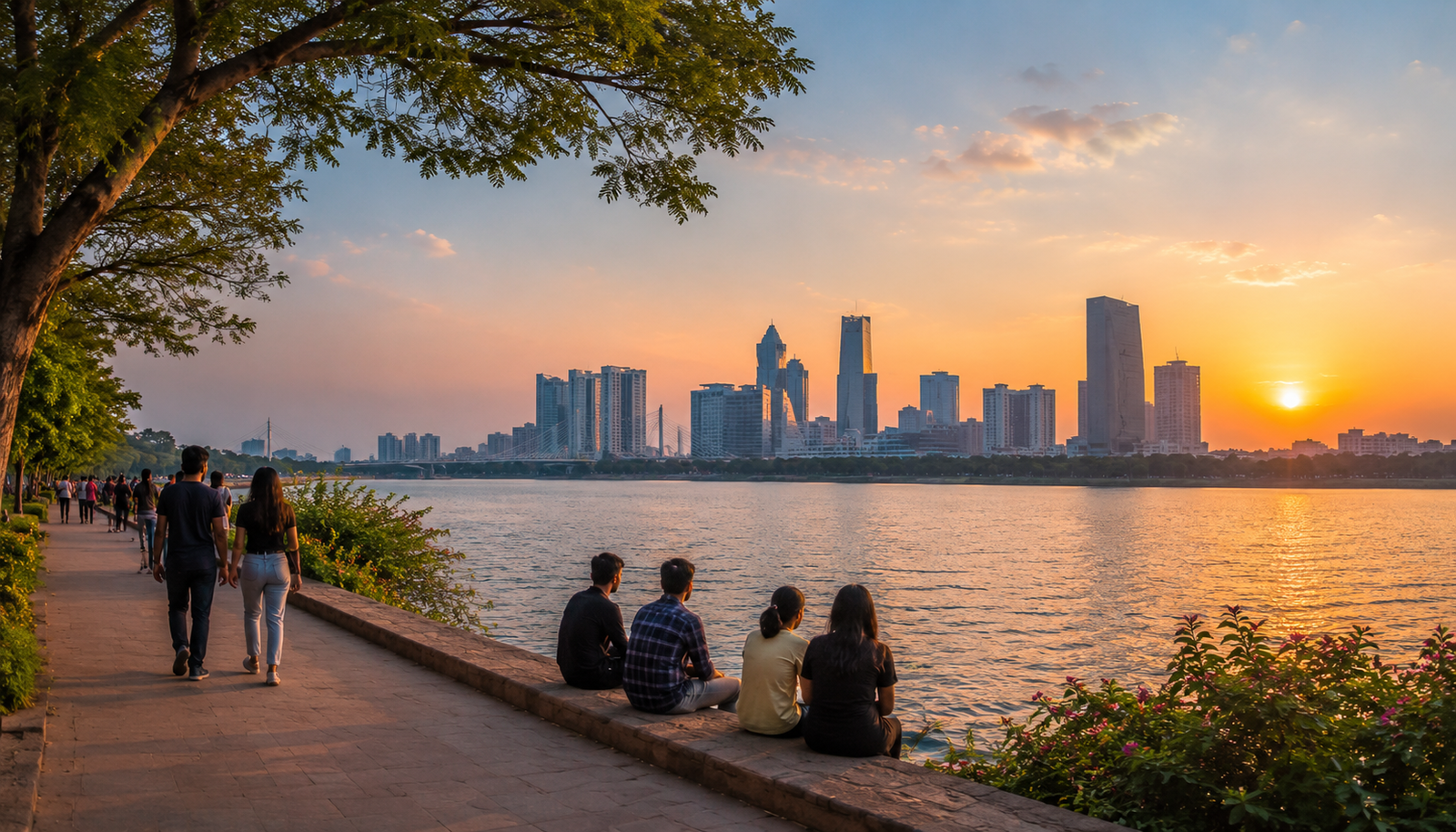
“Next month we’re doing a sunset walking meetup. We’ll share the details in our community group tomorrow.”
Then make joining the next step extremely easy.
Create a QR code for your WhatsApp group, Instagram page, email list, Discord community, or other community platform.
But don’t overwhelm people with five different links.
Choose one primary community channel and make that the home for your members.
8. Follow Up While the Experience Is Fresh
The meetup doesn’t end when everyone goes home.
Send a follow-up within 24 hours.
Thank people for attending. Share a few photographs. Mention a memorable moment. Ask one simple question.
For example:
“What should we do at our next meetup?”
You can give three options and allow people to vote.
This accomplishes two things.
First, it gives you useful feedback.
Second, it gives attendees a reason to continue participating.
You can also encourage people to reconnect with someone they met:
“Met someone interesting yesterday? Tag them or send them a message.”
A successful community meetup should create connections that continue beyond the event itself.
The Real Secret: Design for Connection
The best community meetups aren’t necessarily the biggest, most expensive, or most elaborate.
They are the ones where people leave thinking:
“I met some great people today.”
That happens when organizers deliberately remove social friction.
Choose interactive venues. Create an easy first conversation. Use activities instead of forced introductions. Build a natural event flow. Give people opportunities to move between groups. Let members contribute. And, most importantly, follow up after everyone leaves.
Because a community isn’t created when strangers arrive at the same location.
It is created when those strangers leave with a reason to come back—and someone they are excited to see again.
“`