For decades, Indian travelers viewed the monsoon as the “off-season” — a time for cancelled plans, muddy roads, and postponed vacations. But in 2026, that narrative has changed dramatically. Across social media, travel reels, wellness retreats, and luxury staycations, Kerala in the monsoons has emerged as one of India’s most emotionally captivating travel experiences.
The rain here doesn’t merely fall. It transforms.
Backwaters become dreamlike mirrors. Tea plantations turn impossibly green. Ayurvedic retreats feel more therapeutic. Hill stations disappear into clouds. And coastal towns slow into cinematic stillness.
Today, Kerala monsoon tourism is no longer just about budget travel deals. It has evolved into a premium, experience-driven escape for urban travelers seeking wellness, romance, digital detoxes, and immersive nature experiences.
From luxury houseboats in Alleppey to mist-covered hills in Munnar, Kerala’s rainy season is attracting everyone from Gen Z content creators to wellness travelers and luxury tourists.
And unlike crowded peak-season destinations, monsoon Kerala offers something increasingly rare in modern travel:
Stillness.
1. Why Kerala Feels Magical During the Monsoon
There are destinations that look beautiful in photographs — and then there are destinations that emotionally transform during rain.
Kerala belongs firmly in the second category.
Between June and September, the southwest monsoon reshapes the entire state. Coconut trees sway dramatically against grey skies, rivers overflow into lush landscapes, and the scent of wet earth becomes part of the travel experience itself.
What makes Kerala monsoon travel unique is the atmosphere.
The rain creates:
- Mist-covered hill stations
- Emerald-green forests
- Overflowing waterfalls
- Quiet backwaters
- Romantic coastal scenery
- Cooler weather conditions
Unlike urban monsoons that often feel chaotic, Kerala’s rains feel rhythmic and meditative.
For travelers exhausted by overstimulation and digital fatigue, this emotional calm has become one of Kerala’s biggest tourism strengths in 2026.
2. How Social Media Made Monsoon Kerala Go Viral
Instagram and travel reels have completely reshaped how younger Indians view rainy-season travel.
In recent years, cinematic videos featuring:
- Houseboats drifting through rain
- Fog-covered tea plantations
- Treehouses during thunderstorms
- Cliffside cafés in Wayanad
- Monsoon train rides through Kerala
have turned the state into a viral travel fantasy.
Travel creators increasingly describe Kerala monsoon experiences as:
- “therapeutic”
- “healing”
- “peaceful”
- “main-character energy”
- “the ultimate slow travel destination”
This emotional branding resonates deeply with Gen Z and millennial travelers seeking meaningful experiences over rushed itineraries.
Unlike conventional tourism focused on sightseeing checklists, monsoon Kerala promotes:
- slow mornings
- wellness
- café culture
- reading retreats
- nature immersion
- mindful travel
In many ways, Kerala’s tourism identity now aligns perfectly with the global “slow living” movement.
3. Why Wellness Tourism Peaks During Kerala’s Rainy Season
One of the biggest reasons Kerala tourism in monsoons continues growing is Ayurveda.
Traditionally, monsoon season is considered the best time for Ayurvedic therapies because the cool, humid climate opens pores and improves the body’s receptiveness to herbal treatments.
As wellness tourism expands globally, Kerala has positioned itself as India’s leading holistic healing destination.
Luxury wellness resorts now offer:
- Ayurvedic detox programs
- Stress-relief retreats
- Yoga and meditation experiences
- Digital detox stays
- Sleep therapy programs
- Herbal healing treatments
Post-pandemic travel behavior has also changed priorities dramatically.
Modern travelers increasingly want vacations that help them:
- recover mentally
- reduce stress
- reconnect with nature
- improve health
- escape urban burnout
Kerala’s monsoon wellness ecosystem fits those needs perfectly.
And in 2026, wellness is no longer niche luxury travel — it’s mainstream lifestyle travel.
4. Best Places to Visit in Kerala During Monsoons
Munnar
Munnar becomes almost surreal during the rains. Tea estates disappear into fog while winding roads create one of India’s most cinematic road-trip experiences.
Travelers love Munnar for:
- misty viewpoints
- tea plantation stays
- cool weather
- waterfall trails
- luxury eco-resorts
Alleppey
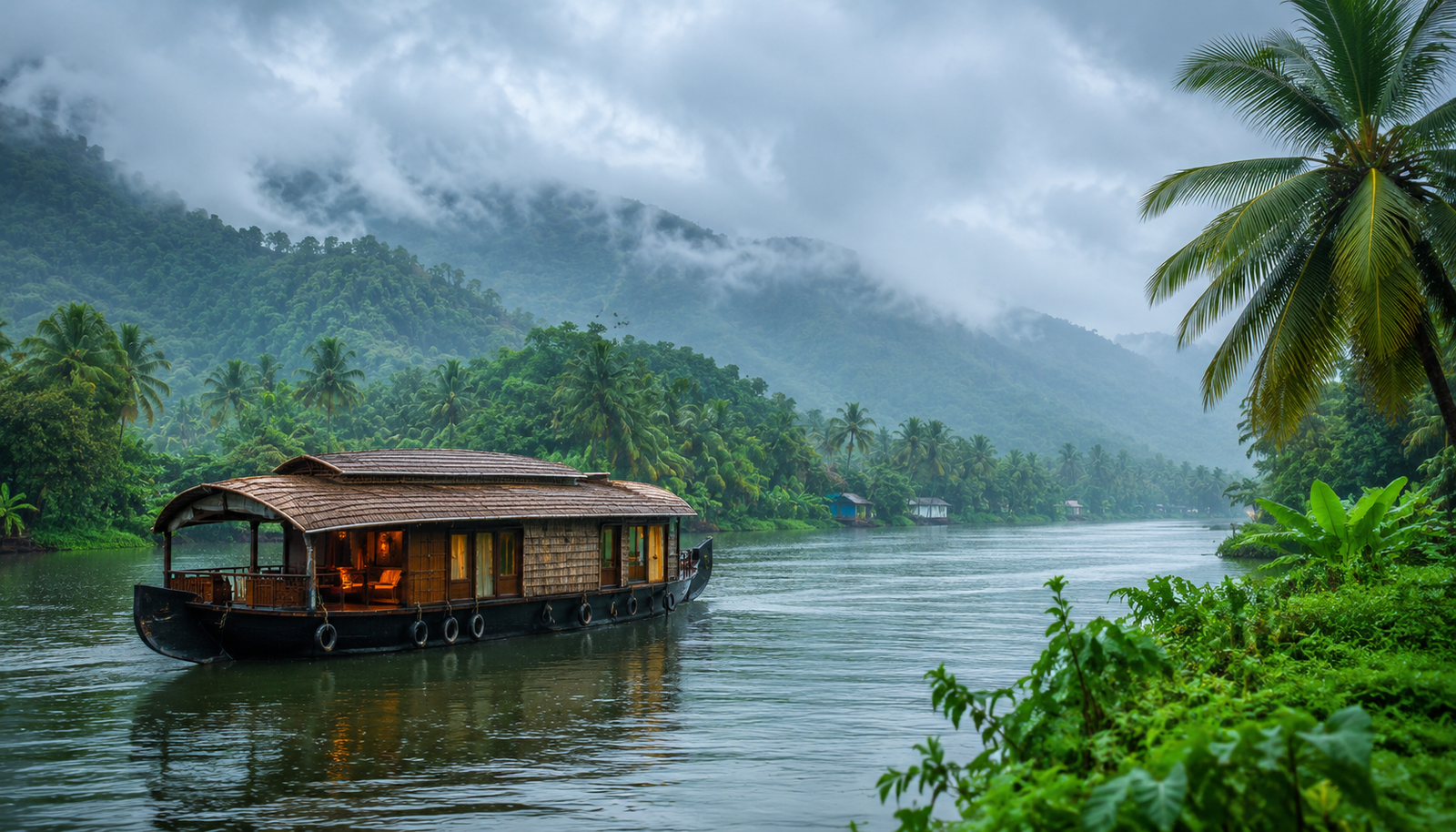
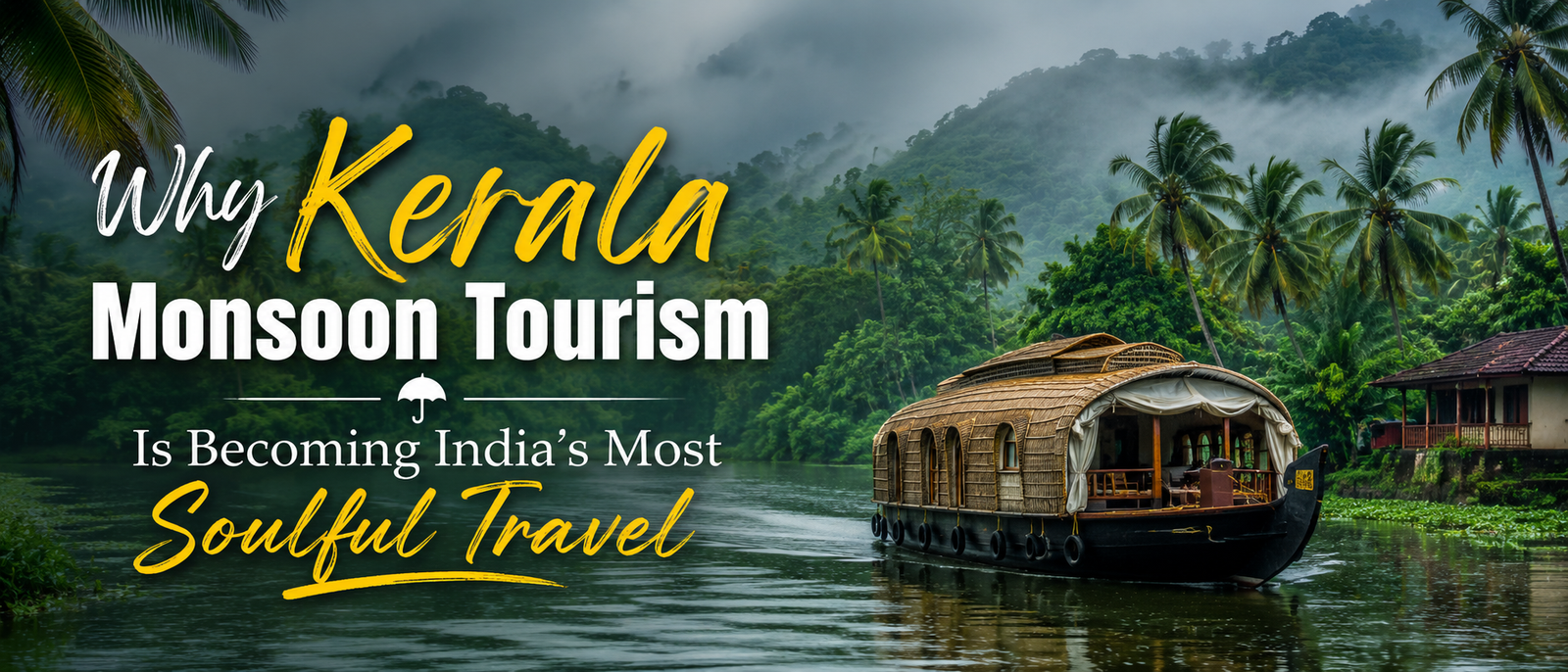
Monsoon transforms Kerala’s backwaters into peaceful floating worlds.
Houseboat tourism during rain offers:
- romantic experiences
- quieter waterways
- lush scenery
- authentic village views
Luxury houseboats now include premium dining, wellness experiences, and curated cultural activities.
Wayanad
Wayanad has become especially popular among younger travelers and remote workers.
Its appeal includes:
- rainforest stays
- waterfalls
- treehouses
- hiking trails
- boutique cafés
During monsoons, the region feels deeply immersive and untouched.
Thekkady
Thekkady’s forests become dramatically alive during rainy months. Wildlife tourism, spice plantations, and eco-lodges attract nature-focused travelers seeking quieter escapes.
Varkala
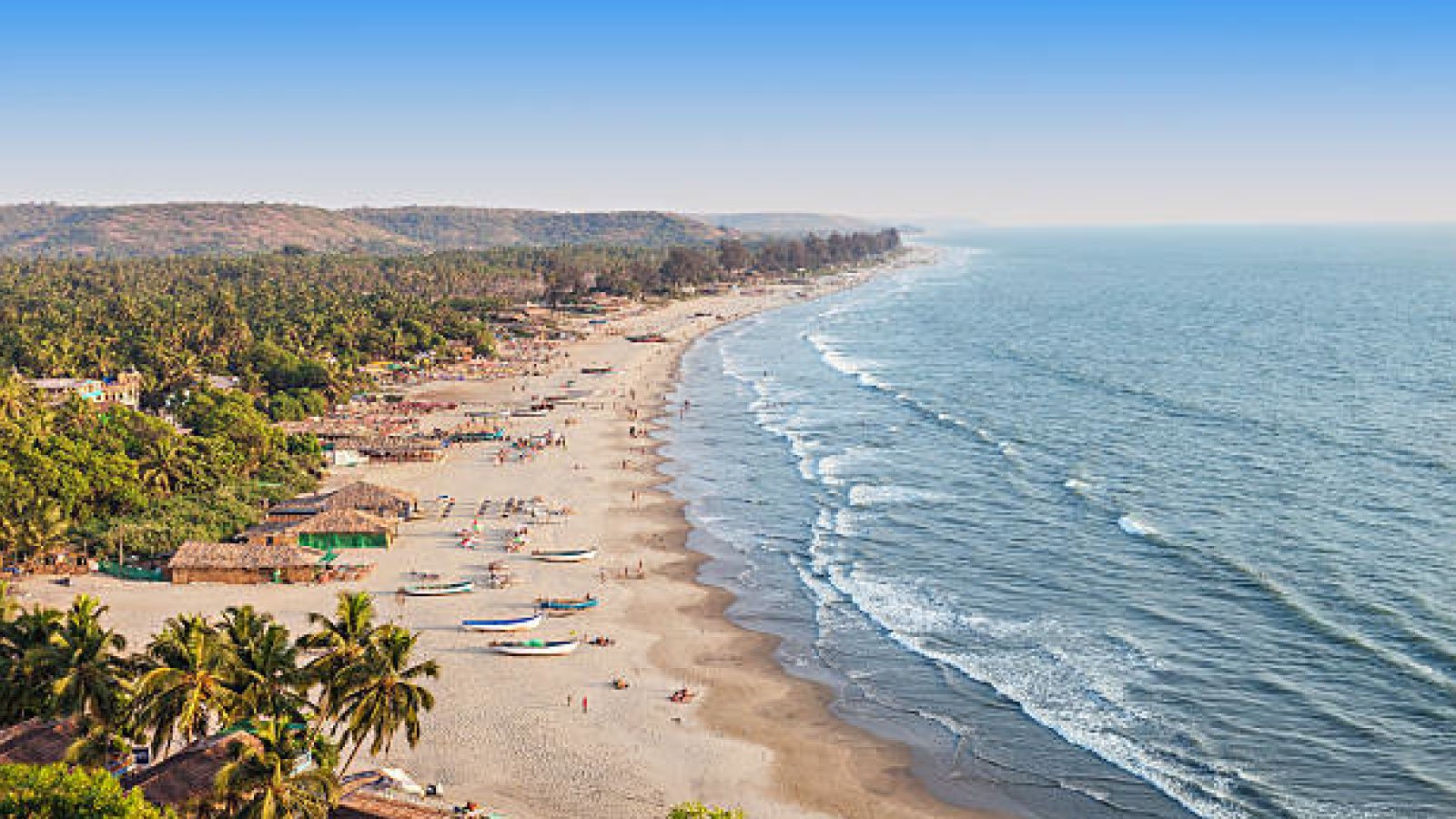
Unlike Goa’s party-driven coastal identity, Varkala offers calmer monsoon beach experiences focused on cafés, cliffside stays, yoga culture, and introspective travel.
5. Why Gen Z Travelers Are Choosing Kerala Over International Trips
In 2026, younger Indian travelers are becoming more intentional with spending.
Instead of expensive international vacations, many are prioritizing:
- shorter immersive trips
- wellness escapes
- experience-based travel
- eco-tourism
- culturally rich domestic destinations
Kerala fits all these categories naturally.
For Gen Z, Kerala also offers something highly valuable in the content era:
visual storytelling.
Every element feels cinematic:
- rain-soaked train journeys
- floating houseboats
- foggy mountain roads
- cafés surrounded by greenery
- monsoon playlists and cozy stays
Additionally, Kerala appeals to travelers seeking authenticity rather than hyper-commercial tourism.
Younger audiences increasingly value:
- local food
- sustainable travel
- meaningful interactions
- slower itineraries
- nature immersion
This shift has helped Kerala stand apart from overcrowded mainstream destinations.
6. The Rise of Luxury Monsoon Tourism in Kerala
Monsoon tourism was once associated primarily with budget travelers.
That perception has changed dramatically.
Luxury hospitality brands are now actively marketing Kerala’s rainy season as a premium experience.
High-end resorts offer:
- private infinity villas
- rain-view bathtubs
- Ayurvedic spa therapies
- curated monsoon menus
- plantation experiences
- personalized wellness retreats
For affluent urban travelers, monsoon Kerala represents emotional luxury rather than flashy tourism.
The new luxury is:
- silence
- greenery
- slower schedules
- privacy
- wellness
- emotional reset
This aligns with broader global travel trends where experiential wellness increasingly outperforms traditional luxury consumption.
7. Kerala’s Monsoon Food Culture Is Becoming a Tourist Attraction
Food tourism is also playing a growing role in Kerala monsoon travel.
Rainy-season cuisine in Kerala feels deeply comforting and sensory-rich.
Popular monsoon dishes include:
- Puttu and Kadala Curry
- Kerala-style fish curry
- Tapioca and spicy chutneys
- Banana fritters
- Malabar parotta
- Steaming filter coffee
- Fresh seafood meals
Travelers increasingly seek:
- local toddy shop experiences
- spice plantation dining
- traditional sadya meals
- homestay cooking experiences
Monsoon weather amplifies the emotional comfort of Kerala cuisine, making food a central part of the travel memory itself.
8. Is Kerala Becoming India’s Ultimate Monsoon Destination?
All signs point toward yes.
In 2026, Kerala has successfully repositioned monsoon from a tourism challenge into a tourism identity.
Several trends support its continued growth:
- Wellness tourism expansion
- Slow travel popularity
- Eco-tourism demand
- Domestic luxury travel growth
- Instagram-driven destination discovery
- Experience-focused tourism
Importantly, Kerala’s appeal cuts across demographics.
It attracts:
- honeymoon travelers
- solo travelers
- wellness tourists
- luxury travelers
- Gen Z creators
- remote workers
- nature lovers
As Indian travel preferences evolve toward emotional experiences rather than checklist tourism, Kerala’s monsoon ecosystem feels uniquely future-ready.
Because in an increasingly noisy world, Kerala offers something travelers are desperately searching for:
Peace.
Conclusion
Kerala in the monsoons is no longer simply a destination.
It is a feeling.
A slow boat ride through rain-covered backwaters. A cup of hot chai overlooking misty tea estates. The sound of rain against a wooden resort roof. The quiet rhythm of nature reclaiming attention from busy urban lives.
In 2026, Kerala monsoon tourism represents a deeper shift in how Indians want to travel — less rushed, more meaningful, more restorative.
And as wellness travel, slow tourism, and emotional escapism continue shaping the future of tourism, Kerala’s rainy season may no longer be considered “off-season” at all.
It may become the season people wait for most.