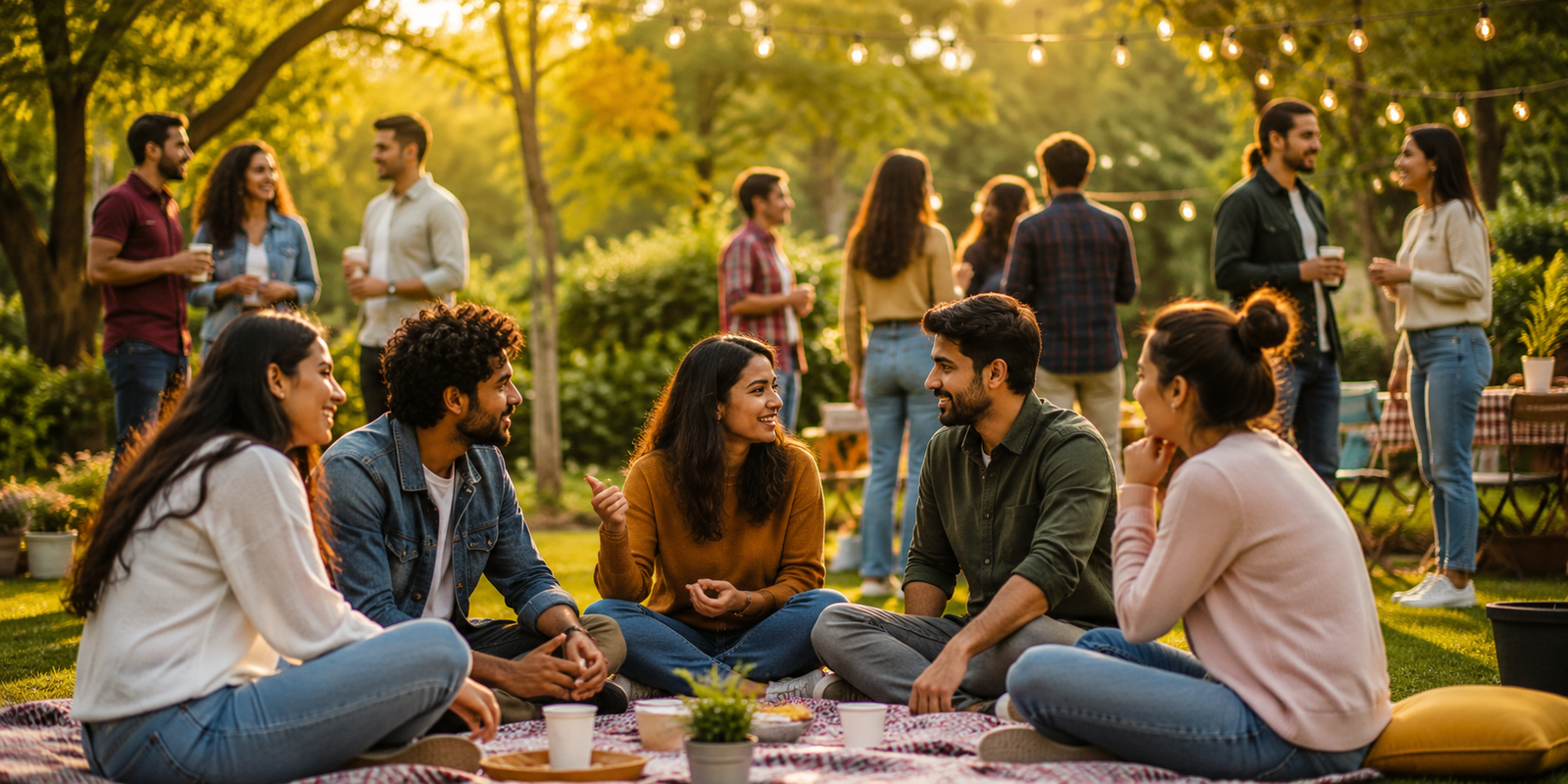
In a world where most people move endlessly between home and work, something important often gets lost in the routine: meaningful human connection. We wake up, commute, work, scroll through our phones, return home, and repeat the cycle. Somewhere in between deadlines and digital distractions, many people are searching for spaces where they can simply exist comfortably without pressure.
This is where the concept of the “third place” becomes incredibly important.
But what is a third place exactly?
A third place is any social environment outside your home (the first place) and workplace (the second place). It’s where people gather informally, recharge mentally, meet new faces, work creatively, or simply enjoy a sense of belonging. These places could be aesthetic cafes for working, cozy bookstores, independent coffee houses, community parks, creative lounges, or even neighborhood bakeries.
The best local hangouts aren’t always the loudest or trendiest. Often, they are the hidden corners of a city where conversations feel natural, ideas flow freely, and strangers slowly become familiar faces.
Today, more than ever, people are actively seeking these community social hubs—not just for entertainment, but for emotional balance and authentic connection.
Why “Third Places” Matter More Than Ever
Modern lifestyles have unintentionally made people more isolated. Remote work, digital communication, and endless screen time have reduced spontaneous human interaction. Even in crowded cities, loneliness has quietly become common.
Third places help fill that gap.
Unlike offices, these spaces have no rigid expectations. Unlike homes, they expose us to fresh energy and social interaction. They provide a middle ground where people can work, relax, observe, connect, or simply feel part of a living community.
Think about your favorite café.
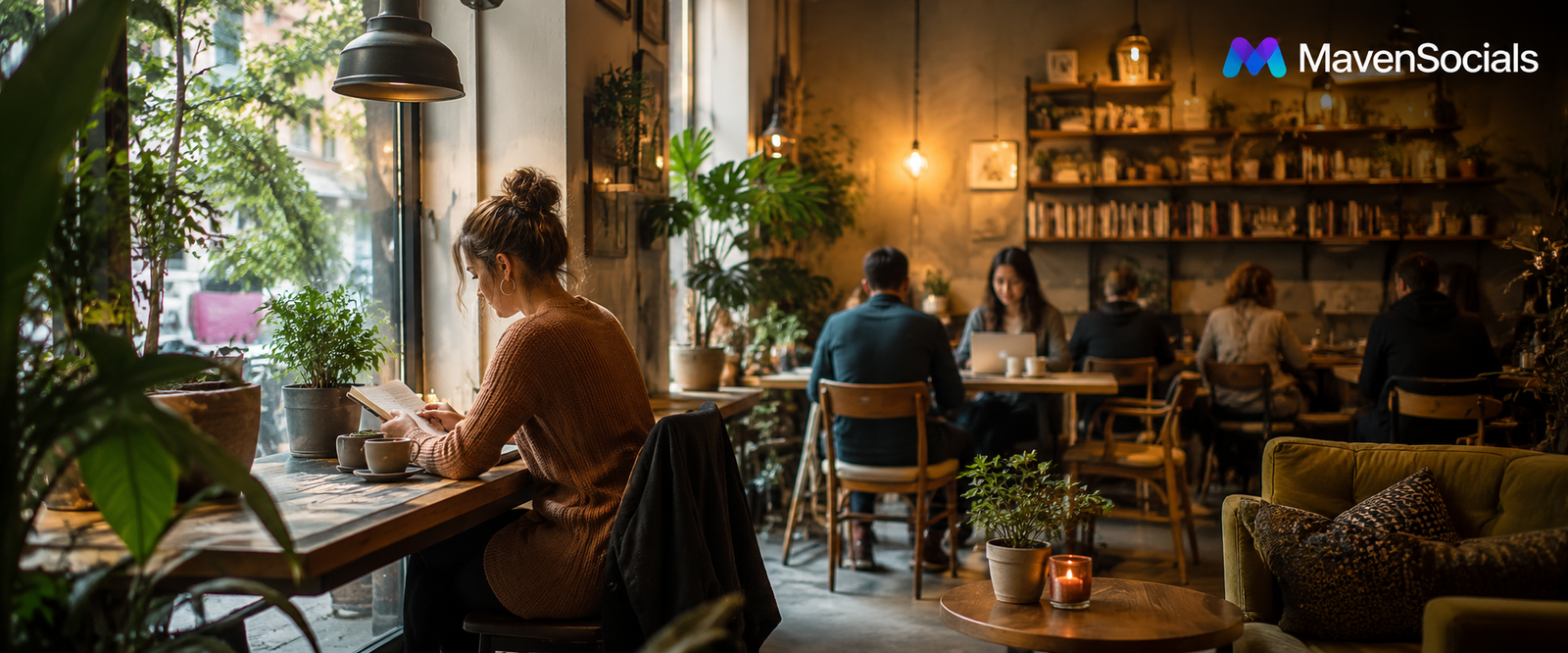
Maybe it’s the comforting aroma of coffee, the soft music, the warm lighting, or the familiar staff that makes you return. Maybe it’s the creative energy of people typing on laptops, sketching ideas, reading books, or having thoughtful conversations. These subtle experiences create emotional attachment.
That’s the power of a great third place.
The Rise of Aesthetic Cafes for Working
One major shift in recent years is how cafes have evolved into creative workspaces.
People no longer visit cafes only for coffee. They go there to focus, brainstorm, journal, attend virtual meetings, edit videos, write content, or simply change their environment for a few hours.
Aesthetic cafes for working have become especially popular among freelancers, entrepreneurs, students, creators, and digital nomads.
But aesthetics alone don’t create a perfect third place.
A truly great work-friendly café combines multiple elements:
- Comfortable seating
- Good natural lighting
- Reliable Wi-Fi
- Calm background music
- Enough privacy without isolation
- Friendly staff
- A welcoming atmosphere that encourages longer stays
The best cafés understand that people crave experience just as much as products.
This is why some places instantly feel inspiring while others feel transactional.
What Makes the Perfect Local Hangout?
Not every café, park, or lounge automatically becomes a meaningful third place. There’s a unique emotional formula behind the spaces people keep returning to.
1. Comfort Without Pressure
The perfect local hangout allows people to stay without feeling rushed.
You shouldn’t feel guilty for reading a book for two hours, working quietly on your laptop, or simply sitting alone with your thoughts. Great third places create psychological comfort.
2. A Sense of Familiarity
Regular visitors often become part of the environment itself.
The barista remembering your order, seeing familiar faces weekly, or casually greeting someone nearby creates subtle social warmth. These small interactions matter more than we realize.
3. Aesthetic Energy
Visual atmosphere deeply affects mood and creativity.
Warm interiors, greenery, artistic decor, earthy textures, ambient lighting, and thoughtful design can transform an ordinary café into a memorable experience. This explains why aesthetic cafes for working attract so many creatives and remote professionals.
People naturally gravitate toward spaces that inspire them visually and emotionally.
4. Balanced Social Interaction
The best community social hubs allow both solitude and connection.
Some visitors want conversations. Others want quiet focus. Great third places accommodate both without forcing either.
You can work silently beside strangers while still feeling socially connected.
That balance is rare—and valuable.
Why Hidden Gems Often Beat Popular Chains
Big commercial cafés may offer consistency, but independent local spaces often provide personality.
Hidden gems usually reflect the identity of the people behind them. Whether it’s handwritten menus, curated music playlists, community events, or local artwork on the walls, these details create authenticity.
And authenticity is what people remember.
Many of the best local hangouts are discovered accidentally:
- A tucked-away bookstore café
- A rooftop tea spot
- A small creative studio café
- A quiet brunch corner
- A community library with a café attached
- A late-night dessert place with cozy seating
These places feel personal rather than manufactured.
That emotional connection turns ordinary customers into loyal communities.
Third Places and Mental Wellness
One underrated benefit of third places is their impact on mental health.
Not every outing needs to be productive. Sometimes, simply being around people in a relaxed environment improves emotional well-being. Third places reduce feelings of isolation without demanding intense social interaction.
For remote workers and freelancers especially, spending every day at home can become mentally exhausting. A change of scenery often boosts motivation, creativity, and focus.
Even casual routines—like visiting the same café every Saturday morning—can create stability and comfort.
This is why community social hubs matter deeply in urban life.
How to Discover Your Own “Third Place”
Finding your ideal space takes exploration.
Instead of only visiting trending locations on social media, try observing places more intentionally.
Ask yourself:
- Do I feel relaxed here?
- Could I spend hours in this environment comfortably?
- Does this place inspire creativity or calmness?
- Is the atmosphere welcoming?
- Would I return even without taking photos?
Sometimes the perfect third place isn’t the most Instagram-famous café. It’s simply the place where you feel most like yourself.
Try exploring:
- Independent coffee shops
- Community art spaces
- Book cafés
- Co-working cafés
- Boutique bakeries
- Rooftop lounges
- Local cultural centers
- Quiet parks with café seating
The goal isn’t just finding coffee—it’s finding belonging.
The Future of Community Social Hubs
As cities become more digitally connected yet emotionally disconnected, the demand for meaningful social environments will continue growing.
People increasingly want spaces that feel human.
This is why modern cafés and creative venues are evolving beyond food and beverages. They are becoming hybrid environments for networking, working, relaxing, creating, and community building.
The future belongs to spaces that understand emotional experience.
Because ultimately, the perfect third place isn’t just about where you go.
It’s about how a place makes you feel.
And somewhere between home and work, everyone deserves a space where they can breathe, connect, and simply belong.