Every year on October 31, streets, homes and party venues take on a mysterious new look. Pumpkins glow in the dark, people dress as witches and superheroes, spooky decorations appear on doorsteps, and children look forward to collecting sweets. This is Halloween Day, a celebration that combines centuries-old traditions with modern entertainment, creativity and community gatherings.
But Halloween is more than costumes, candy and scary stories. Its history stretches back to ancient seasonal festivals, religious observances and cultural customs that gradually evolved into the celebration people recognise today.
As Halloween 2026 approaches, let’s explore the origins of Halloween, the meaning behind its most popular traditions, and how people celebrate this fascinating occasion around the world.
What Is Halloween Day and Why Is It Celebrated?
Halloween is celebrated every year on October 31, the evening before All Saints’ Day in the Christian calendar. The word Halloween is derived from “All Hallows’ Eve,” meaning the evening before the feast of All Saints.
Today, Halloween is widely associated with costumes, trick-or-treating, pumpkin carving, haunted attractions, horror movies, themed parties and festive decorations.
For many people, Halloween is an opportunity to express creativity, enjoy a little harmless fright and spend time with friends and family. Children often participate in trick-or-treating, while adults celebrate through costume parties, themed events and immersive entertainment experiences.
Although Halloween is especially popular in countries such as the United States, Canada, Ireland and the United Kingdom, its influence has spread to many other parts of the world.
The History and Origins of Halloween
The Ancient Celtic Festival of Samhain
One of the most important influences on Halloween is Samhain, an ancient Celtic seasonal festival associated with the end of the harvest and the beginning of winter. It was traditionally observed around the transition from October to November.
Celtic communities believed this seasonal boundary held special significance. Folklore associated Samhain with spirits and the idea that the boundary between the living and the dead became less distinct.
Bonfires, gatherings and protective customs were associated with the festival. Some of these beliefs and practices helped shape the supernatural themes that remain part of Halloween today.
However, modern Halloween did not emerge from a single event. It developed over centuries through a combination of seasonal customs, religious observances and regional traditions.
From All Hallows’ Eve to Halloween
Christian observances also influenced the development of Halloween. November 1 became associated with All Saints’ Day, a day dedicated to honouring saints, while November 2 became associated with All Souls’ Day, which commemorates the dead.
The evening before All Saints’ Day came to be known as All Hallows’ Eve. Over time, the name evolved into Halloween.
Customs surrounding remembrance of the dead, disguises and seasonal gatherings developed differently across communities. These traditions gradually blended, helping create the varied forms of Halloween celebrated today.
How Halloween Became a Modern Celebration
Halloween traditions travelled across the Atlantic with Irish and Scottish immigrants, particularly during the nineteenth century. In North America, they evolved alongside local customs and community festivities.
During the twentieth century, Halloween increasingly became associated with neighbourhood celebrations, organised parties, costumes and sweets. Trick-or-treating grew into a particularly familiar tradition in the United States after the Second World War.
Today, Halloween combines historical folklore with popular culture, entertainment, fashion, food and social experiences.
5 Popular Halloween Traditions and Their Meanings
1. Trick-or-Treating
Trick-or-treating is one of the best-known Halloween traditions. Children dress in costumes and visit participating homes to collect sweets and other treats.
The custom has connections to older European practices involving disguises, visiting homes and receiving food. Its precise historical development is complex, rather than a direct continuation of any single ancient ritual.
Today, trick-or-treating is primarily a family-friendly activity that brings neighbourhoods together.
2. Carving Pumpkins and Making Jack-o’-Lanterns
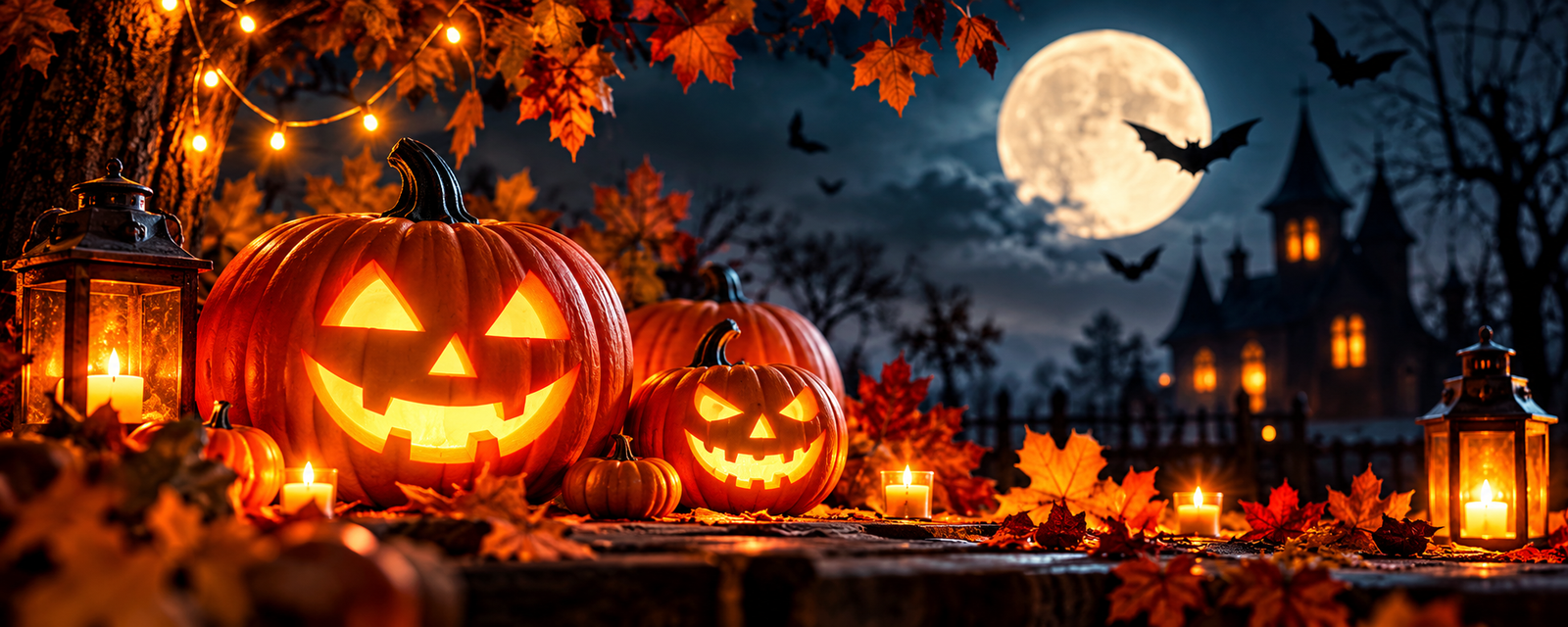
Pumpkin carving is another iconic Halloween activity. People hollow out pumpkins, carve faces into them and place lights inside to create glowing decorations.
The tradition is associated with Irish folklore about Stingy Jack and with the older practice of carving lanterns from vegetables such as turnips. When Irish immigrants settled in North America, pumpkins became a convenient alternative.
Jack-o’-lanterns are now a familiar symbol of Halloween, appearing in homes, shop displays, parties and seasonal photo opportunities.
3. Wearing Halloween Costumes
Halloween costumes allow people to transform themselves for a night. Popular choices include witches, vampires, ghosts, skeletons, superheroes, fictional characters and creative pop-culture-inspired looks.
Historically, disguises were associated with beliefs about spirits and seasonal customs. Modern costumes are more often about imagination, humour, personal expression and entertainment.
From simple homemade outfits to elaborate makeup and special effects, Halloween costumes have become a major part of the celebration.
4. Haunted Houses and Scary Entertainment
Haunted houses, ghost stories and horror movies bring the spooky side of Halloween to life. Visitors can experience eerie settings, unexpected surprises and theatrical scares in controlled entertainment environments.
Families may prefer gentle Halloween trails and pumpkin festivals, while adults might choose escape rooms, horror-themed events or late-night costume parties.
The attraction lies in experiencing fear as entertainment, with the atmosphere and anticipation often being just as important as the scares themselves.
5. Halloween Food, Candy and Decorations
Halloween has developed its own visual and culinary identity. Pumpkins, black cats, cobwebs, skeletons and orange-and-black colour schemes feature prominently in decorations.
Seasonal food is equally creative. Popular ideas include decorated cookies, caramel apples, pumpkin-flavoured treats, spooky cupcakes and creatively presented snacks.
For hosts, themed food and decorations can turn an ordinary gathering into a memorable Halloween party without requiring an elaborate budget.
How Halloween Is Celebrated Around the World
Halloween celebrations vary by country, reflecting different cultures, traditions and local interests.
United States: Halloween is widely celebrated with trick-or-treating, elaborate home decorations, pumpkin carving, costume parties and haunted attractions.
Ireland: Halloween has historical connections to Irish seasonal customs and Samhain. Modern celebrations include costumes, community events, bonfires in some areas and family activities.
United Kingdom: Children may participate in trick-or-treating, while homes, pubs and entertainment venues host themed events. Celebrations vary across regions and communities.
Canada: Halloween is marked by neighbourhood trick-or-treating, decorated homes, pumpkin displays and costume parties.
Mexico: Halloween takes place close to Día de los Muertos, or Day of the Dead, observed on November 1 and 2. The occasions occur near each other but have distinct histories and meanings. Día de los Muertos centres on remembering and honouring deceased loved ones through family traditions, offerings and commemorative displays.
India: Halloween-themed parties, nightclub events, school activities, themed dining experiences and costume celebrations can be found in some urban communities. It is not a universal traditional Indian festival, but it offers an additional opportunity for entertainment, social gatherings and creative expression.
Across these destinations, Halloween demonstrates how traditions can travel, adapt and acquire new meanings while retaining familiar symbols.
Halloween 2026: Creative Ways to Celebrate
Halloween 2026 falls on Saturday, October 31, making it convenient for people planning weekend gatherings and themed activities.
Whether you prefer a quiet evening at home or a lively party, here are a few ways to celebrate.
Host a Themed Halloween Party
Choose a theme such as a haunted mansion, vintage horror, a supernatural mystery or a favourite fictional universe. Coordinate the decorations, music, food and dress code to create a consistent atmosphere.
Try DIY Halloween Decorations
Use paper bats, reusable lanterns, recycled materials, handmade cobwebs and creatively decorated pumpkins. DIY decorations can be affordable, personal and more sustainable than buying disposable decorations every year.
Prepare Spooky Snacks and Desserts
Turn familiar recipes into Halloween treats with creative presentation. Try ghost-shaped cookies, pumpkin cupcakes, monster-themed sandwiches or fruit arranged into playful designs.
Plan a Halloween Movie Night
Select a mix of classic horror films, supernatural mysteries and family-friendly Halloween movies. Add themed snacks, comfortable seating and dim lighting for an easy evening of entertainment.
Create Memorable Halloween Content
Halloween also provides plenty of inspiration for social media. Costume transformations, pumpkin-carving videos, decoration tutorials, themed recipes and behind-the-scenes party preparations can make engaging seasonal content.
For brands and creators, the occasion can be an opportunity to share relevant stories and participate in seasonal conversations without relying on forced promotions.
Why Halloween Continues to Capture People’s Imagination
Halloween’s lasting appeal comes from its ability to combine tradition with reinvention. Its historical associations with seasonal change, folklore and remembrance sit alongside modern interests in fashion, entertainment, food and social experiences.
It gives people permission to experiment with a different look, decorate their surroundings, tell spooky stories and enjoy imaginative experiences. It can be playful for children, nostalgic for adults and creatively inspiring for artists, event organisers and content creators.
The celebration also shows how cultural traditions evolve. Customs that once carried particular seasonal or religious meanings can become community activities and entertainment experiences, while still retaining traces of their historical roots.
Ultimately, Halloween is not just about being frightened. It is about creativity, shared experiences and the fun of stepping into a world that feels a little different from everyday life.
As October 31 approaches, a carved pumpkin, a clever costume or a simple gathering with friends can be enough to make Halloween memorable.
Looking for more inspiration around lifestyle, food, travel, culture and trending experiences? Explore more stories on MavenSocials.com and discover new ideas for your next celebration.
Frequently Asked Questions About Halloween Day
When Is Halloween Celebrated in 2026?
Halloween will be celebrated on Saturday, October 31, 2026.
Why Is Halloween Celebrated on October 31?
Halloween falls on the eve of All Saints’ Day, observed on November 1. Its development also reflects older Celtic seasonal traditions associated with Samhain.
What Is the Meaning of Halloween?
Halloween comes from All Hallows’ Eve, the evening before All Saints’ Day. Today, it is widely associated with costumes, spooky entertainment, sweets and festive gatherings.
Where Did Halloween Originate?
Halloween developed through a combination of ancient Celtic seasonal customs, Christian observances and later European and North American traditions. Samhain is one of its most significant historical influences.
Why Do People Wear Costumes on Halloween?
Costumes have historical connections to disguises and supernatural folklore. Today, people primarily wear them for fun, creativity, parties and self-expression.
Is Halloween Celebrated in India?
Yes, Halloween-themed celebrations take place in some Indian cities, including parties, school events and themed dining experiences. However, Halloween is not a traditional nationwide Indian festival.