India’s travel landscape is undergoing a delicious transformation. While traditional tourism has always focused on historical monuments and scenic destinations, a new trend is captivating both domestic and international travelers: snack tourism. This emerging phenomenon centers around exploring regions specifically to taste locally popular snacks that define their culinary identity. From the kachoris of Rajasthan to the vada pav of Mumbai, snack tourism is turning street food into a legitimate reason to travel, creating unprecedented opportunities for social media marketing agencies to promote regional culinary experiences. As travelers increasingly seek authentic, Instagram-worthy food experiences, locally popular snacks have become the stars of travel itineraries, transforming how we think about both tourism and cultural exploration in India.
The Rise of Snack Tourism as a Cultural Movement
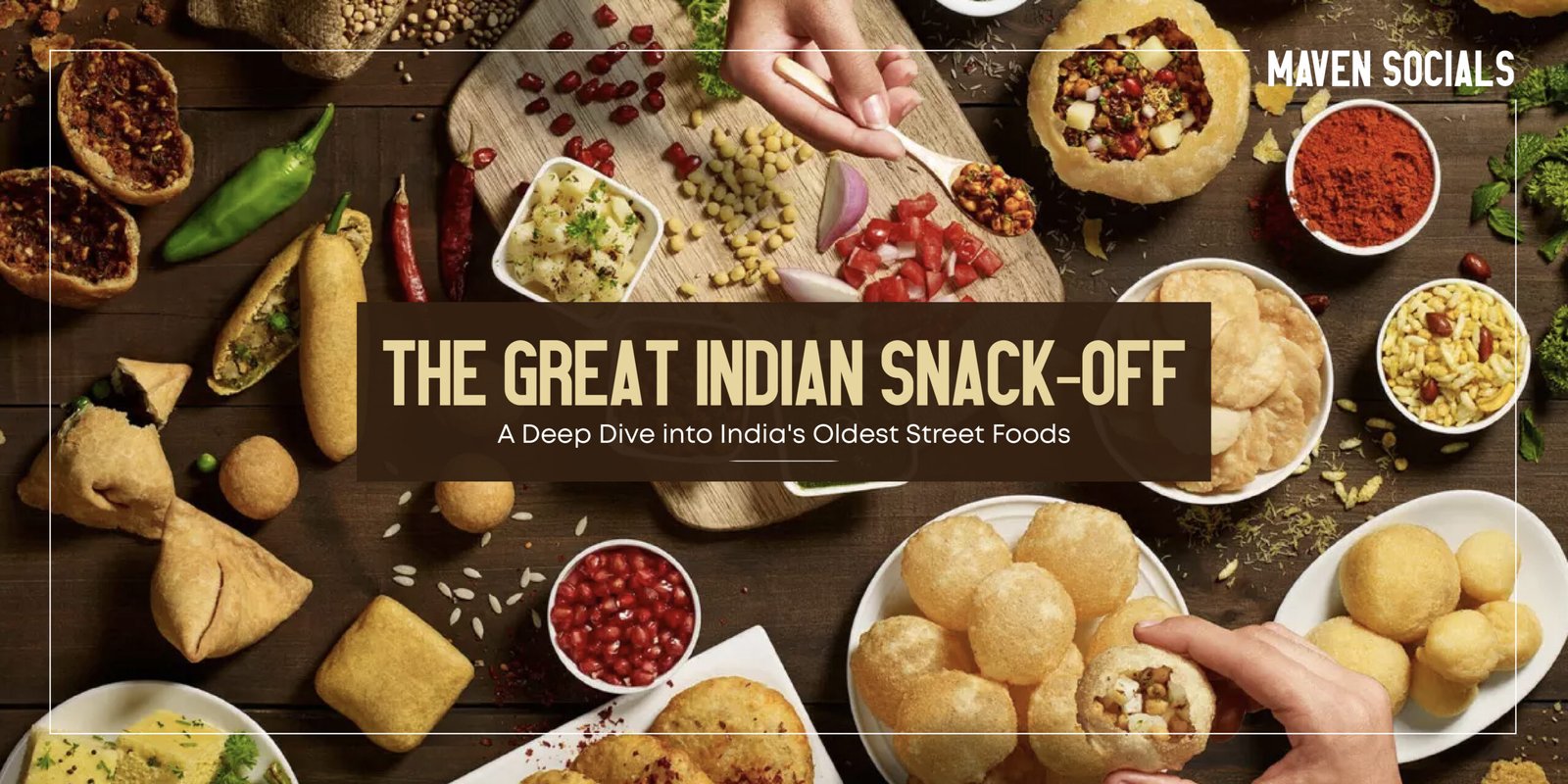
Snack tourism has emerged as more than just a food trend—it represents a cultural shift in how Indians and international visitors engage with regional identities. The growth of snack tourism can be attributed to several converging factors, including increased disposable income, better connectivity to tier-2 and tier-3 cities, and the social media-driven desire for unique experiences. Travelers are no longer satisfied with generic tourist attractions; they want to taste the locally popular snacks that locals have cherished for generations. This movement has been particularly pronounced among millennials and Gen-Z travelers who view food as an essential component of cultural immersion. Cities like Indore, Lucknow, and Kolkata have witnessed significant tourism boosts specifically because of their renowned snack cultures. The phenomenon of snack tourism is also democratizing travel, as street food experiences are accessible across all budget ranges, making authentic culinary exploration available to everyone. Social media platforms have amplified this trend, with food bloggers and influencers dedicating entire travel series to discovering locally popular snacks, creating viral content that inspires thousands to embark on their own gastronomic journeys.
Regional Snack Identities Driving Destination Marketing
Each Indian state has cultivated its own snack ecosystem, and snack tourism has helped market these regional identities with unprecedented effectiveness. Gujarat’s khakhra and dhokla culture attracts health-conscious travelers interested in locally popular snacks with traditional preparation methods, while Bengaluru’s Congress bun and Shivaji Military Hotel’s dosas have become pilgrimage sites for South Indian snack enthusiasts. The specificity of these regional offerings creates compelling narratives for destination marketing organizations and travel brands. Kolkata’s kathi rolls and puchkas aren’t just food items—they’re gateway experiences into Bengali culture, and snack tourism packages them as must-have experiences. Similarly, Delhi’s paranthe wali gali and chaat corners in Chandni Chowk have transformed from local eateries into internationally recognized destinations. For social media marketers, this presents golden opportunities to create geo-targeted campaigns that highlight locally popular snacks as the hero content. The authenticity angle resonates particularly well with today’s discerning travelers who can distinguish between commercialized experiences and genuine regional flavors. State tourism boards are increasingly collaborating with food influencers to create snack tourism trails, recognizing that locally popular snacks offer more engaging storytelling possibilities than conventional tourism assets.
Economic Impact and Business Opportunities in Snack Tourism
The economic implications of snack tourism extend far beyond individual street vendors, creating ripple effects across multiple sectors. Small businesses specializing in locally popular snacks are experiencing revenue growth as travelers specifically seek out their offerings, with many establishments reporting 30-50% increases in footfall attributable to snack tourism. This trend has spawned entirely new business models, including curated food walks, snack-focused travel agencies, and accommodation options that emphasize proximity to famous food streets. The snack tourism economy also supports ancillary services such as local guides, food photographers, and cultural interpreters who help travelers understand the context behind locally popular snacks. For social media marketing agencies, this represents a burgeoning market segment with brands eager to position themselves within the snack tourism narrative. Hotels and travel platforms are increasingly incorporating snack tourism elements into their offerings, recognizing that culinary experiences drive booking decisions. The formalization of snack tourism has also led to quality improvements and hygiene standards among street food vendors, as they recognize their role in the broader tourism ecosystem. Investment in infrastructure around popular snack destinations—improved seating, cleaner surroundings, and better signage—demonstrates how snack tourism is contributing to urban development while preserving the authenticity that makes locally popular snacks special.
Digital Media’s Role in Amplifying Snack Tourism
Social media platforms have been the primary catalyst in transforming snack tourism from a niche interest into a mainstream travel motivation. Instagram’s visual nature perfectly showcases the vibrant colors and textures of locally popular snacks, while YouTube’s long-form content allows creators to document entire snack tourism journeys across Indian states. Hashtags like #StreetFoodIndia and #IndianSnacks generate millions of impressions, creating awareness about regional specialties that might have remained undiscovered. The algorithmic nature of social platforms means that engaging content about locally popular snacks reaches audiences far beyond traditional marketing channels, often leading to viral moments that dramatically boost tourism to specific locations. Food content creators have become influential travel ambassadors, with their recommendations carrying more weight than conventional advertising for snack tourism destinations. For marketing agencies, this presents opportunities to create authentic, user-generated content campaigns that leverage the organic interest in locally popular snacks. The real-time nature of social media also allows travelers to share their snack tourism experiences instantly, creating a continuous content stream that inspires future visitors. Platforms like Google Maps and review sites have integrated food-specific features, making it easier for snack tourism enthusiasts to plan their culinary adventures and discover locally popular snacks with high ratings and authentic reviews.
Final Thoughts
Snack tourism represents more than a passing trend—it signals a fundamental shift in how we conceptualize travel, cultural exchange, and regional identity in India. As travelers increasingly prioritize authentic experiences over superficial sightseeing, locally popular snacks have emerged as powerful ambassadors for regional cultures, economies, and traditions. The growth trajectory of snack tourism shows no signs of slowing, with new destinations constantly being discovered and shared across digital platforms. For businesses, marketers, and tourism stakeholders, the message is clear: locally popular snacks aren’t just food items—they’re compelling narratives, economic drivers, and bridges between cultures. Social media marketing agencies that understand this shift can position their clients at the forefront of this delicious revolution, creating campaigns that resonate with the modern traveler’s desire for meaningful, memorable, and shareable experiences. The future of Indian tourism will undoubtedly include snack tourism as a central pillar, transforming how both domestic and international visitors explore the country’s rich culinary landscape while supporting local economies and preserving food traditions for generations to come.
Frequently Asked Questions
What is snack tourism?
Snack tourism is a travel trend where people visit specific regions or cities primarily to experience and taste locally popular snacks and street foods unique to those areas. It combines culinary exploration with cultural immersion, making food the central motivation for travel.
Why is snack tourism growing in India?
Snack tourism is growing due to increased social media influence, rising disposable incomes, better connectivity to smaller cities, and travelers seeking authentic cultural experiences. Millennials and Gen-Z particularly value unique, Instagram-worthy food experiences that locally popular snacks provide.
Which Indian cities are best for snack tourism?
Top snack tourism destinations include Indore, Lucknow, Kolkata, Delhi, Mumbai, Bengaluru, and Amritsar, each famous for distinctive locally popular snacks. These cities offer authentic street food experiences and well-established food cultures that attract domestic and international travelers.
How does snack tourism benefit local economies?
Snack tourism directly supports small food vendors, creates jobs for guides and ancillary services, and increases footfall to local businesses. Many establishments report 30-50% revenue increases from travelers specifically seeking locally popular snacks, stimulating broader economic development.
How can businesses leverage snack tourism for marketing?
Businesses can create geo-targeted social media campaigns featuring locally popular snacks, partner with food influencers, develop curated food trail experiences, and use user-generated content to showcase authentic culinary offerings. Visual platforms like Instagram and YouTube are particularly effective for snack tourism marketing.
Is snack tourism safe for travelers?
Snack tourism has become safer as vendors recognize their role in the tourism ecosystem and improve hygiene standards. Travelers should choose popular, well-reviewed establishments and follow basic food safety practices when exploring locally popular snacks.