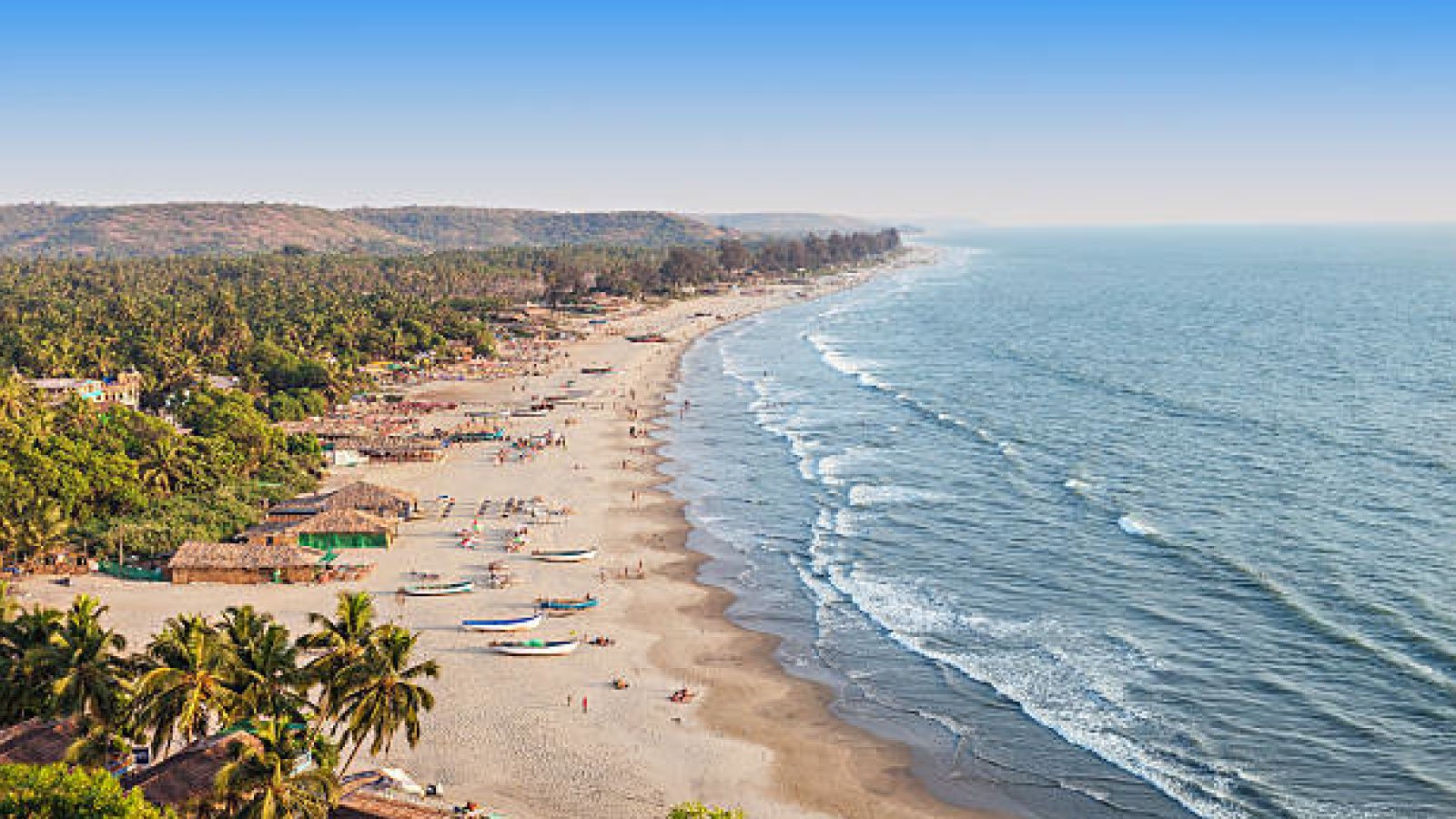
Something remarkable is happening in the wellness industry, and it’s taking place thousands of feet above sea level. As we approach the altitude shift 2026, nearly 90% of wellness travelers are abandoning beach resorts for mountain therapy benefits that promise more than just scenic views. From the Swiss Alps to Himalayan retreats, high-altitude wellness has evolved from a niche trend into a mainstream movement that’s reshaping how we think about mental health and physical rejuvenation. But is high-altitude therapy genuinely effective, or is this just another wellness fad? The science, combined with compelling traveler testimonials, suggests there’s substantial merit to seeking mental reset destinations where the air is thin and the healing runs deep. For social media marketers and business owners looking to understand emerging consumer behavior, this shift represents a significant opportunity to align brand messaging with transformative wellness experiences that resonate with today’s health-conscious audiences.
The Science Behind Mountain Therapy Benefits
High-altitude wellness isn’t just about breathtaking views and peaceful surroundings—there’s legitimate physiological science driving these mountain therapy benefits. When your body reaches elevations above 8,000 feet, it responds to reduced oxygen levels by increasing red blood cell production, improving circulation, and triggering metabolic changes that can enhance overall health. Research published in multiple medical journals demonstrates that high-altitude exposure stimulates the production of erythropoietin (EPO), a hormone that boosts oxygen-carrying capacity and has been linked to improved cognitive function and mood regulation. Beyond the biological mechanisms, high-altitude wellness environments naturally reduce exposure to pollutants, allergens, and the sensory overload that characterizes urban living, creating ideal conditions for mental reset destinations to work their magic. The altitude shift 2026 phenomenon is particularly interesting because it coincides with growing awareness of how environmental factors influence mental health. Mountain therapy benefits extend beyond physical adaptations to include psychological advantages such as reduced cortisol levels, improved sleep quality, and enhanced mindfulness—all outcomes that appeal to the wellness-seeking demographic that dominates social media conversations. Himalayan retreats and similar high-altitude wellness centers have documented remarkable improvements in conditions ranging from depression and anxiety to chronic fatigue and respiratory issues. For marketers, understanding these scientifically-backed mountain therapy benefits provides authentic storytelling opportunities that can differentiate wellness brands in an increasingly crowded marketplace where consumers demand evidence-based approaches to health optimization.
Why the Altitude Shift 2026 Is Reshaping Travel Priorities
The altitude shift 2026 represents more than a temporary spike in mountain tourism—it signals a fundamental recalibration of what travelers seek from their wellness journeys. Post-pandemic consciousness has created a generation of travelers who prioritize mental reset destinations over traditional vacation spots, viewing travel as an investment in psychological resilience rather than mere escapism. High-altitude wellness destinations are perfectly positioned to meet this demand, offering environments where digital detox becomes natural, where physical challenge combines with mental clarity, and where the act of breathing itself becomes a meditative practice. Himalayan retreats, Andean sanctuaries, and Rocky Mountain lodges are reporting booking increases of 300-400% compared to pre-2023 levels, with wait lists extending well into 2026 and beyond. What’s driving travelers to embrace these mountain therapy benefits with such enthusiasm? Social media analytics reveal that audiences are increasingly skeptical of superficial wellness claims and hunger for transformative experiences that deliver measurable results. The altitude shift 2026 reflects growing recognition that high-altitude wellness provides both immediate sensory rewards and longer-term health benefits that persist long after returning to sea level. Mental reset destinations at elevation offer something uniquely compelling: the combination of physical challenge, natural beauty, and forced disconnection that makes genuine transformation possible. For social media marketing agencies and brand strategists, this shift presents opportunities to craft campaigns around authentic wellness narratives that emphasize depth over convenience, transformation over transaction, and the kind of mountain therapy benefits that generate organic user-generated content and sustained engagement across platforms.
Himalayan Retreats and Global High-Altitude Wellness Hotspots
Himalayan retreats have emerged as the gold standard for high-altitude wellness, combining ancient healing traditions with modern therapeutic approaches in settings that seem designed for transformation. Destinations like Bhutan, Nepal, and northern India offer mountain therapy benefits enhanced by Buddhist mindfulness practices, Ayurvedic medicine, and the spiritual significance that cultures have attributed to high-altitude environments for millennia. These mental reset destinations provide more than elevation—they offer cultural immersion, expert guidance, and community experiences that amplify the physiological advantages of altitude. The altitude shift 2026 has elevated Himalayan retreats from adventure travel options to mainstream wellness destinations that attract executives, creatives, and anyone seeking profound personal reset experiences.
Beyond the Himalayas, high-altitude wellness centers are proliferating across global mountain ranges, from the Andes to the Alps to the Rockies. Each region offers distinct mountain therapy benefits: Swiss Alps retreats combine cutting-edge medical wellness with pristine alpine environments, while Colorado’s high-altitude wellness resorts integrate outdoor adventure with evidence-based therapeutic protocols. What unifies these mental reset destinations is their recognition that altitude creates unique conditions for healing—conditions that can’t be replicated at sea level or simulated in urban wellness centers. For businesses in the wellness space, understanding the nuances of different high-altitude wellness destinations enables more sophisticated audience targeting and more compelling content strategies that speak to the specific aspirations driving the altitude shift 2026, whether those include physical optimization, mental health recovery, or spiritual exploration that benefits from both literal and metaphorical elevation.Final Thoughts
High-altitude therapy is unquestionably real, backed by both scientific research and the lived experiences of millions embracing mountain therapy benefits as essential components of their wellness routines. The altitude shift 2026 isn’t a fleeting trend but rather a sustainable movement toward mental reset destinations that offer genuine transformation in an era of superficial quick fixes. As high-altitude wellness continues gaining mainstream acceptance, Himalayan retreats and mountain sanctuaries worldwide are evolving to meet sophisticated traveler expectations while preserving the authentic experiences that make elevation therapy so effective. For social media marketers and business owners, this represents a powerful opportunity to align brands with a wellness movement that combines scientific credibility, visual storytelling potential, and the kind of transformative outcomes that generate passionate brand advocacy. Whether you’re marketing wellness services, travel experiences, or lifestyle products, understanding the mountain therapy benefits driving the altitude shift 2026 positions your brand at the forefront of where consumer consciousness is heading—upward, both literally and metaphorically, toward environments where healing happens naturally and mental reset destinations deliver on their transformative promises.
Frequently Asked Questions
What are the primary mountain therapy benefits for mental health?
Mountain therapy benefits for mental health include reduced cortisol levels, improved sleep quality, enhanced mood regulation, and natural digital detox opportunities. High-altitude environments decrease sensory overload while increasing oxygen efficiency, creating ideal conditions for mental reset and stress reduction.
Why is the altitude shift 2026 becoming so popular among wellness travelers?
The altitude shift 2026 reflects post-pandemic prioritization of transformative wellness experiences over traditional vacations. Travelers are seeking scientifically-backed mental reset destinations that offer measurable health benefits, with high-altitude wellness providing both immediate and long-term advantages that persist after returning home.
Are Himalayan retreats suitable for beginners to high-altitude wellness?
Yes, many Himalayan retreats offer programs specifically designed for altitude beginners, with gradual acclimatization protocols and expert medical supervision. These facilities combine ancient healing traditions with modern safety standards, making high-altitude wellness accessible to first-time mountain therapy participants.
How long does it take to experience mountain therapy benefits?
Most people begin experiencing mountain therapy benefits within 3-5 days as the body acclimatizes to altitude. Optimal physiological adaptations typically occur after 7-14 days, though mental reset effects and stress reduction can be noticed within the first 48 hours at mental reset destinations.
What makes high-altitude wellness different from sea-level spa treatments?
High-altitude wellness triggers unique physiological responses including increased red blood cell production, improved circulation, and metabolic changes that can’t be replicated at sea level. Combined with reduced pollutants and natural environment immersion, mountain therapy benefits offer comprehensive mind-body transformation beyond traditional spa experiences.
Can high-altitude therapy help with chronic health conditions?
Research shows mountain therapy benefits can improve conditions including depression, anxiety, chronic fatigue, and some respiratory issues through enhanced oxygenation and reduced inflammation. However, individuals with certain health conditions should consult medical professionals before visiting high-altitude wellness destinations to ensure safety and appropriateness.