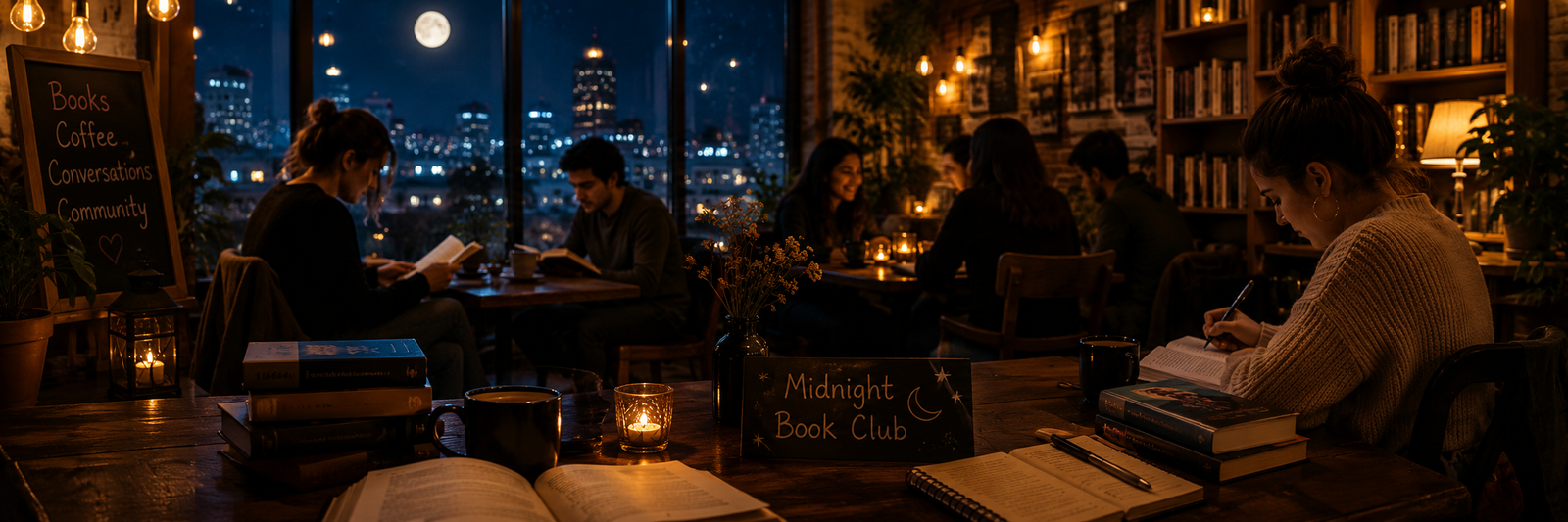
For decades, nightlife has been closely associated with loud music, crowded bars, and drinking culture. While traditional nightlife still attracts millions, a growing number of people are searching for something different — meaningful late-night experiences that encourage creativity, conversation, learning, and genuine community connection.
Across cities worldwide, unconventional evening gatherings are quietly reshaping social culture. These experiences are designed for people who crave stimulation beyond parties and pubs. From midnight book clubs and after-hours museum sketching sessions to moonlit community walks and quiet cafés hosting poetry circles, the idea of “going out” is evolving into something more intentional and inclusive.
The Shift Away From Traditional Nightlife
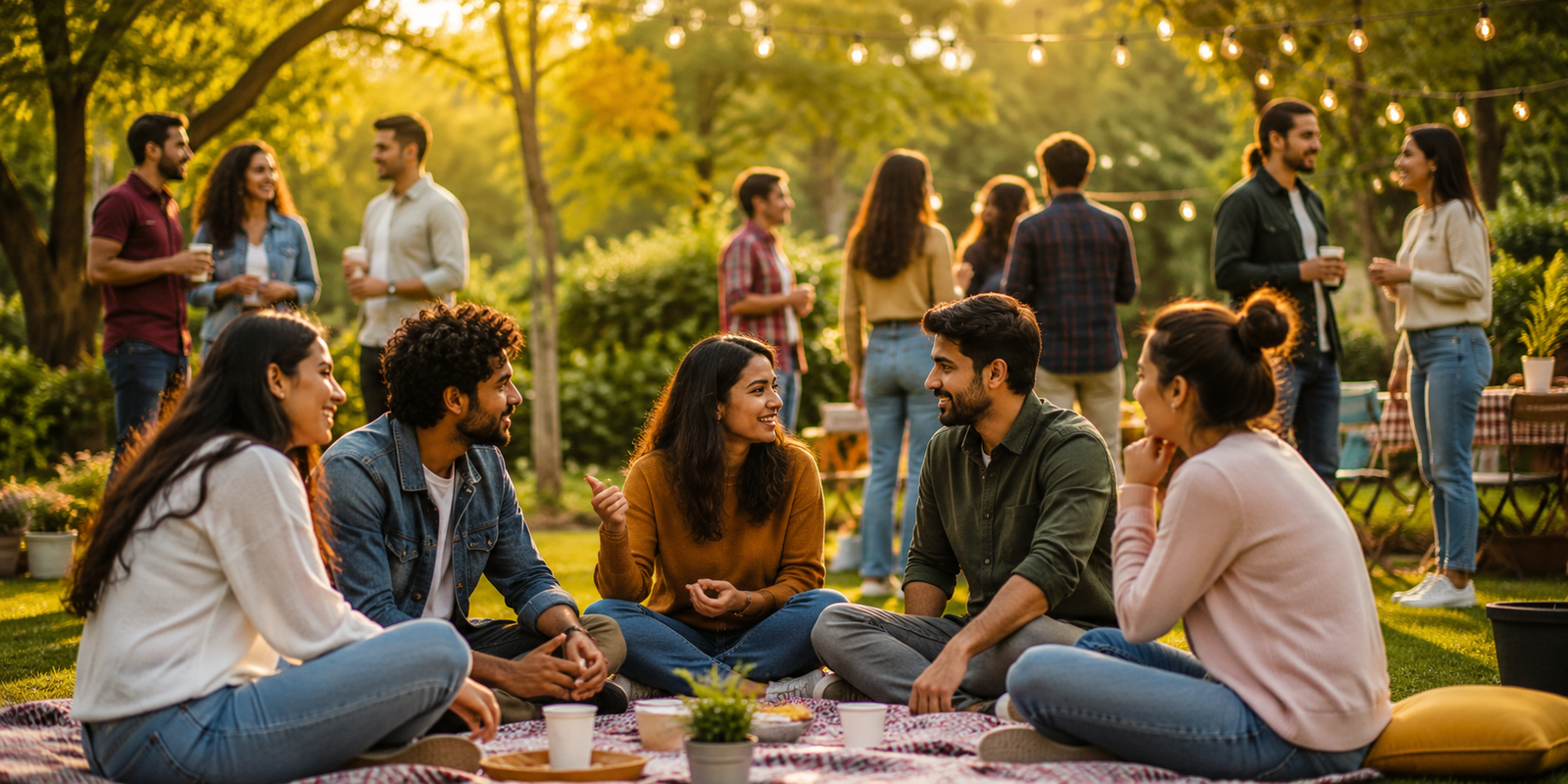
Younger audiences, remote workers, creatives, introverts, and wellness-focused communities are all contributing to a major shift in social behavior. Many people no longer want nightlife experiences centered entirely around alcohol or overstimulation.
Instead, they are seeking environments where they can:
- Meet like-minded individuals
- Learn something new
- Express creativity
- Enjoy calm and meaningful interactions
- Participate without social pressure
This shift has opened the door for unique event concepts that blend culture, creativity, and community engagement.
The Evolution of the Midnight Book Club
Among the most fascinating trends is the rise of the midnight book club.
Unlike traditional book clubs held in libraries or daytime cafés, these gatherings embrace atmosphere as part of the experience. Imagine a softly lit café open until midnight, vinyl music playing quietly in the background, candles flickering on wooden tables, and strangers discussing literature over tea or coffee.
These events are not limited to serious readers. Many modern creative book clubs combine:
- Silent reading hours
- Open discussion circles
- Author listening sessions
- Poetry performances
- Creative journaling workshops
The format removes the academic pressure often associated with book clubs and transforms reading into a social ritual.
Why Alternative Social Gatherings Are Growing
1. People Want Deeper Connections
Social media has made communication constant, but meaningful interaction remains rare. Alternative social gatherings encourage slower conversations and shared experiences that feel genuine.
2. Inclusivity Matters More Than Ever
Not everyone enjoys drinking culture. Alcohol-free event formats make social spaces more inclusive for people focused on wellness, religion, personal preferences, or mental health.
3. Creativity Is Becoming Social Currency
Modern audiences increasingly value creativity, self-expression, and learning experiences. Events centered around sketching, storytelling, journaling, or music naturally attract curious communities.
Innovative Late-Night Event Ideas
After-Hours Museum Sketch Sessions
Museums are beginning to experiment with nighttime programming where visitors can sketch artwork, attend guided drawing circles, or simply experience exhibits in peaceful silence.
Silent Reading Cafés
Some cafés now host dedicated “silent reading nights” where guests spend one hour reading independently before participating in optional discussions.
Moonlight Community Walks
Night walks through local neighborhoods, markets, or cultural districts are becoming highly popular.
Midnight Creative Workshops
Pottery, journaling, photography, painting, and creative writing workshops held late at night often feel more intimate and experimental than daytime classes.
Designing Memorable Evening Rituals
Successful alternative gatherings are not just events — they are rituals people emotionally connect with.
The most memorable experiences often focus on:
- Warm lighting
- Comfortable seating
- Calm music
- Small group interactions
- Sensory atmosphere
- Shared participation
The Future of Late-Night Culture
The rise of late night community meetups represents more than a trend — it signals a cultural shift toward experiences that prioritize curiosity, creativity, and community over consumption.
For the chronically curious, the night is no longer just for partying. It is becoming a canvas for connection, learning, and unforgettable human experiences.