The fluorescent-lit gym with rows of isolated treadmills is becoming a relic of wellness past. A seismic shift is underway in how people pursue physical and mental health, and it’s loud, communal, and decidedly un-institutional. Wellness festivals 2026 are emerging as the dominant force in fitness culture, replacing solitary workout routines with immersive social fitness events that blend cathartic movement with genuine human connection. This evolution represents more than a trend—it signals a fundamental reimagining of what wellness means in a post-pandemic world where isolation has given way to a hunger for communal wellness experiences. For social media marketers and business owners, understanding this transformation is crucial for connecting with audiences seeking belonging as much as they seek physical transformation.
From Solo Sweat Sessions to Collective Catharsis
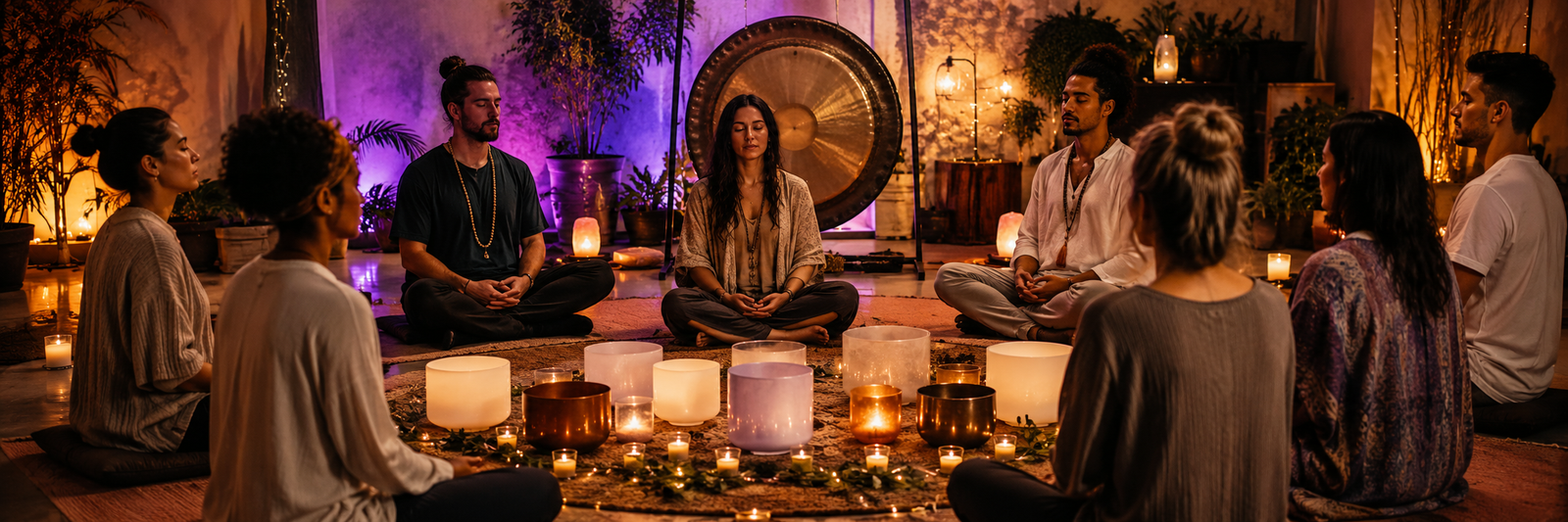
The traditional gym model was built on individual achievement, personal records, and the promise of physical transformation through disciplined isolation. Today’s wellness seekers are rejecting this paradigm in favor of experiences that prioritize communal wellness and emotional release alongside physical exertion. Wellness raves—large-scale events combining dance, breathwork, sound healing, and high-intensity movement—are drawing thousands who previously would have paid for monthly gym memberships. These social fitness events offer something gyms cannot: the transformative power of cathartic movement performed in synchrony with hundreds or thousands of others. The experience taps into primal human needs for ritual, belonging, and collective energy that sterile fitness centers simply cannot replicate. Research shows that group movement experiences trigger oxytocin release and create stronger adherence to wellness practices than isolated workouts, explaining why participants often describe these events as life-changing rather than merely effective exercise sessions.
The Business Model Behind the Movement
Wellness festivals 2026 represent a lucrative evolution in the fitness economy, with events commanding ticket prices that dwarf traditional gym memberships while delivering exponentially higher engagement. Unlike subscription-based gyms plagued by high churn rates and underutilized memberships, social fitness events create scarcity, anticipation, and FOMO-driven demand that generates both revenue and organic social media buzz. Brands like Daybreaker, The Class, and Ecstatic Dance movements have proven that communal wellness experiences can scale globally while maintaining local authenticity. These wellness raves operate on event economics rather than facility overhead, allowing organizers to curate experiences in unique venues—from warehouses to beaches to historic landmarks—that become Instagram-worthy content machines. For marketers, this shift means moving from selling access to selling transformation and belonging, with user-generated content from participants serving as the most powerful promotional tool. The festivalization model also creates natural partnership opportunities with wellness brands, beverage companies, and lifestyle products seeking to align with cathartic movement and authentic community.
Why Audiences Crave Connection Over Convenience
The rise of wellness festivals 2026 reflects a deeper cultural correction after years of digital isolation and transactional fitness relationships. While on-demand workout apps and home equipment promised ultimate convenience, they inadvertently stripped away the accountability, energy, and social scaffolding that make wellness sustainable. Today’s consumers—particularly millennials and Gen Z—are willing to sacrifice convenience for experiences that deliver genuine communal wellness and emotional authenticity. These social fitness events function as secular gatherings where participants find tribe, purpose, and the permission to be vulnerable in ways that individual gym sessions never allowed. The power of cathartic movement in group settings addresses mental health needs as much as physical ones, positioning these events as holistic solutions rather than simple exercise alternatives. Social media amplifies this shift by showcasing the joy, connection, and transformation visible in wellness raves, creating aspirational content that no gym mirror selfie can match. For brands seeking to engage wellness-minded audiences, the message is clear: sell the community and transformation, not just the workout.
Marketing Implications for the Wellness Industry
The festivalization of wellness demands a complete reimagining of how brands communicate value in the fitness and health space. Traditional marketing focused on body transformation and individual achievement falls flat with audiences seeking communal wellness and meaningful social connection through movement. Content strategies must shift toward showcasing collective experiences, emotional breakthroughs, and the sense of belonging that wellness festivals 2026 deliver. User-generated content from social fitness events provides authentic proof of transformation that polished brand campaigns cannot replicate, making community management and participant storytelling central to marketing success. Brands must also recognize that these wellness raves create cultural moments—hashtaggable, shareable peaks in people’s wellness journeys that generate organic reach far beyond paid advertising. The rise of cathartic movement experiences also opens opportunities for cross-industry collaboration, from music and fashion to mental health and spirituality, creating ecosystems of aligned brands rather than isolated product promotions. Smart marketers will position their offerings as enablers of these transformative experiences rather than competing with them, recognizing that in the festivalization era, the event is the product and community is the ultimate competitive advantage.
The Future Is Festive and Communal
The shift from gyms to wellness festivals 2026 represents more than a change in venue—it’s a fundamental redefinition of what wellness means and how people pursue it. As social fitness events continue to grow, traditional fitness businesses must adapt or risk obsolescence, while forward-thinking brands have unprecedented opportunities to connect with audiences through communal wellness experiences. The demand for cathartic movement in collective settings isn’t a passing fad but a correction toward more human-centered, holistic approaches to health that honor our deep need for connection and belonging. For marketers and business owners, the message is unmistakable: the future of wellness is loud, joyful, and decidedly social. Those who embrace the festivalization of wellness will build loyal communities and authentic engagement, while those clinging to isolated, transactional fitness models will find themselves increasingly irrelevant in a world that’s chosen to dance, sweat, and heal together.
Frequently Asked Questions
What are wellness festivals 2026?
Wellness festivals 2026 are large-scale immersive events that combine physical movement, music, breathwork, and community experiences as alternatives to traditional gym workouts. These festivals emphasize collective healing, cathartic movement, and social connection rather than individual fitness metrics.
How do wellness raves differ from regular dance events?
Wellness raves focus on intentional movement for physical and emotional release, often incorporating guided exercises, breathwork, and mindfulness elements alongside dancing. Unlike nightlife events, they’re typically alcohol-free, held during daylight hours, and designed to create transformative wellness experiences rather than pure entertainment.
Why is communal wellness becoming more popular than solo gym workouts?
Communal wellness addresses human needs for connection, accountability, and shared experiences that isolated gym sessions cannot provide. Group wellness events trigger stronger emotional bonds, higher adherence rates, and deliver both physical and mental health benefits through collective energy and support.
What is cathartic movement in wellness contexts?
Cathartic movement refers to physical expression designed to release stored emotions, stress, and trauma through uninhibited dance, shaking, or dynamic exercise. This practice, often performed in group settings at wellness festivals, provides emotional healing alongside physical benefits.
How can brands market to wellness festival audiences?
Brands should focus on community building, authentic storytelling, and user-generated content that showcases transformation and belonging rather than product features. Successful marketing emphasizes enabling collective experiences and aligning with the values of connection, authenticity, and holistic wellness that festival attendees prioritize.
Are social fitness events replacing gyms permanently?
While social fitness events are rapidly growing, they’re complementing rather than completely replacing gyms by serving different needs—community and transformation versus routine and convenience. The trend indicates a permanent shift toward valuing experiential, communal wellness alongside or instead of traditional fitness facilities.