For years, the global wellness industry has been fascinated by exotic superfoods. Acai, blueberries, goji berries and dragon fruit have found their way into smoothie bowls, supplements and health-focused menus around the world. But an interesting shift is happening: consumers are beginning to look closer to home.
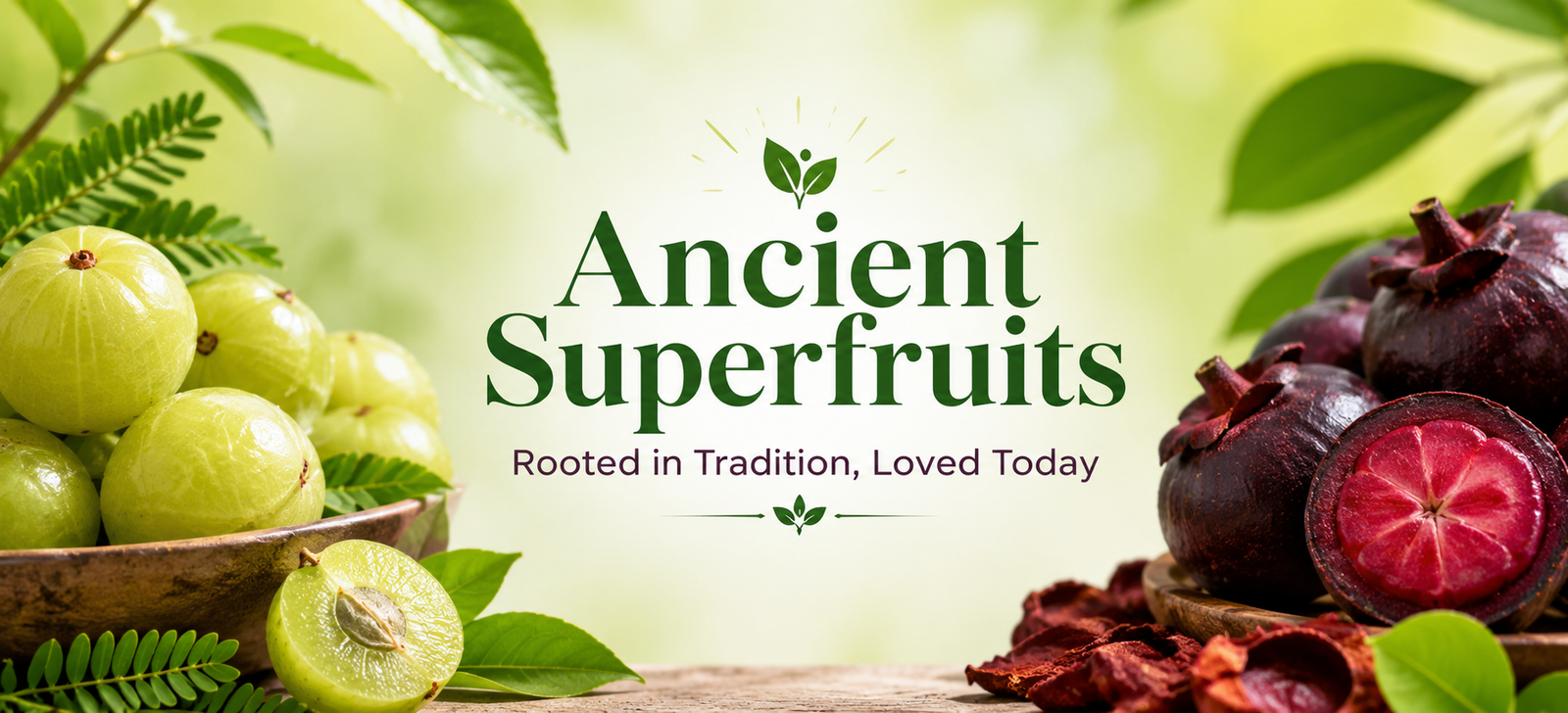
Across India, ancient fruits that have been part of traditional diets for generations are finding a new audience among health-conscious consumers. Amla and kokum, in particular, are moving beyond their traditional uses and appearing in juices, wellness drinks, snacks, functional foods and modern recipes.
This renewed interest is part of a larger movement toward indigenous Indian superfoods—ingredients that combine cultural heritage with nutritional appeal.
Amla: India’s Small but Powerful Superfruit
Known as Indian gooseberry, amla (Phyllanthus emblica) has been used in Indian traditional health practices for centuries. Its popularity today is being driven by renewed interest in naturally nutrient-rich foods.
Amla contains vitamin C, polyphenols, tannins and other bioactive compounds. Research reviews have highlighted its antioxidant potential and its broad nutritional and phytochemical profile.
What makes amla particularly interesting for modern consumers is its versatility. The fruit can be consumed fresh, dried, powdered, pickled or incorporated into beverages and functional food products.
Its naturally sharp, sour flavour also makes it an interesting ingredient for today’s food innovators. Instead of simply consuming amla in traditional preparations, consumers can find it in wellness shots, herbal drinks, smoothies, chutneys and contemporary snacks.
While scientific research into amla is promising, it is important to distinguish potential health benefits from established medical treatments. Many studies on specific therapeutic effects remain preliminary, particularly when it comes to human clinical evidence.
Kokum: The Coastal Fruit Getting a Modern Makeover
If amla represents India’s northern and central food traditions, kokum (Garcinia indica) brings the flavours of India’s western coastline.
Traditionally used in parts of Maharashtra, Goa, Karnataka and other regions, kokum is known for its deep purple colour and distinctive sweet-sour flavour. It has long been used in beverages, curries and regional recipes.
Now, kokum is gaining attention as a potential functional food ingredient.
Recent scientific literature identifies bioactive compounds in kokum, including anthocyanins, hydroxycitric acid and other phytochemicals. Researchers are investigating these compounds for antioxidant and other biological activities, although more human research is needed before making strong health claims.
For the modern food industry, however, kokum offers something beyond nutrition: flavour, colour and cultural identity.
Kokum can be transformed into refreshing summer drinks, concentrates, sauces, desserts and contemporary mocktails. This makes it particularly relevant as consumers search for natural ingredients that can replace overly processed flavouring options.
Why Are Ancient Indian Fruits Becoming Popular Again?
The comeback of amla and kokum isn’t happening in isolation. It reflects several larger changes in the way people think about food.
First, consumers are increasingly interested in cleaner and more recognizable ingredients. Instead of choosing products solely because they contain an unfamiliar “superfood,” people are becoming curious about the nutritional value of ingredients they already know.
Second, there is growing interest in functional foods—foods that offer nutritional value beyond basic calories. This category includes products incorporating naturally occurring vitamins, minerals, polyphenols and other bioactive compounds.
Third, social media has made traditional ingredients easier to rediscover. A fruit once associated primarily with regional kitchens can now become the hero ingredient in a smoothie, wellness drink or recipe video.
Finally, there is a growing appreciation for local and indigenous food systems. India’s enormous biodiversity offers countless fruits and plants that have historically been overlooked in mainstream global wellness conversations.
From Grandma’s Kitchen to Modern Wellness Brands
Perhaps the most fascinating part of this trend is the way traditional ingredients are being repackaged for contemporary lifestyles.
Amla can become a convenient morning wellness shot. Kokum can become a bottled summer beverage. Traditional fruit powders can be incorporated into smoothies or snack products. Regional ingredients can become premium additions to modern menus.
This creates an opportunity for food and wellness brands to tell stories around heritage, authenticity and modern nutrition without abandoning the cultural identity of the ingredient.
However, brands also need to be careful. Calling every traditional ingredient a miracle cure can undermine consumer trust. The strongest approach is to communicate what is actually known about the ingredient while celebrating its history, flavour and nutritional characteristics.
The Bigger Indian Superfood Opportunity
Amla and kokum are only two examples of India’s vast collection of traditional fruits. Bael, jamun, ber, wood apple, karonda and several lesser-known regional fruits also have interesting nutritional and cultural stories.
The opportunity lies in bringing these ingredients into modern formats without losing what makes them unique.
As the global wellness market becomes increasingly crowded, Indian superfoods could offer brands something that imported trends cannot easily replicate: a combination of heritage, biodiversity, flavour and local identity.
The future of wellness may not always be found in the newest ingredient from another part of the world. Sometimes, it can be found in the fruits that have been growing in our own backyard for generations.
Amla and kokum aren’t necessarily new superfoods. They’re old ingredients being rediscovered—and their next chapter could be remarkably modern.